


What's Happening?
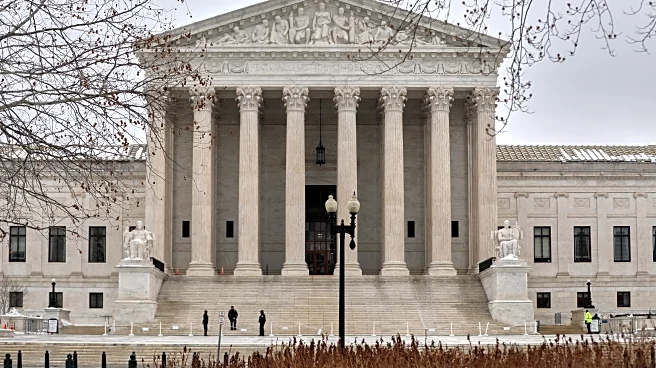
The U.S. Supreme Court has revived a First Amendment lawsuit filed by street preacher Gabriel Olivier, who was previously convicted for violating a protest-control ordinance in Brandon, Mississippi. The ordinance required protesters to gather in a designated
area and restricted the use of loudspeakers. Olivier, known for using a loudspeaker to call concertgoers derogatory names, was arrested in 2021 for not complying with the ordinance. He pleaded no contest and received a fine and probation. The Supreme Court's decision focuses on whether Olivier can challenge the ordinance despite his conviction, referencing the 1994 Heck v. Humphrey precedent, which generally prevents convicted individuals from using civil suits to overturn their convictions.
Why It's Important?
This case holds significant implications for similar ordinances across the United States. Local governments argue that allowing Olivier's lawsuit could lead to challenges against various regulations, including parade permits and zoning laws. The Supreme Court's decision could influence how municipalities enforce protest-related ordinances and balance them with First Amendment rights. The case also highlights ongoing debates about the extent to which individuals can sue officials under civil rights laws, a topic that has gained attention in recent years.
What's Next?
The Supreme Court's ruling allows Olivier to proceed with his lawsuit, potentially setting a precedent for future cases involving protest ordinances. Local governments may need to reassess their regulations to ensure they do not infringe on constitutional rights. The outcome of Olivier's case could prompt legislative changes or adjustments in how cities manage public demonstrations and free speech activities.