







What's Happening?
Cleveland City Council is currently considering legislation to provide income tax credits to struggling grocery stores within the city. Under the proposed law, eligible grocers could receive a refundable tax credit of up to 100% of the municipal income tax withheld
from employees' paychecks. To qualify, stores must demonstrate financial need and commit to selling a certain percentage of fresh and nutritious food, among other criteria that define them as 'good food retailers.' The initiative, introduced by the city's department of public health and department of development, aims to support grocers who are deemed to be 'delivering a public good' to the community. The legislation passed the city council's health committee on October 19 in a 3-to-2 vote and now awaits a full city council vote. This move follows the departure of Heinen’s grocery store from downtown Cleveland and the closure of several Dave’s and Giant Eagle locations over the past decade.
Why It's Important?
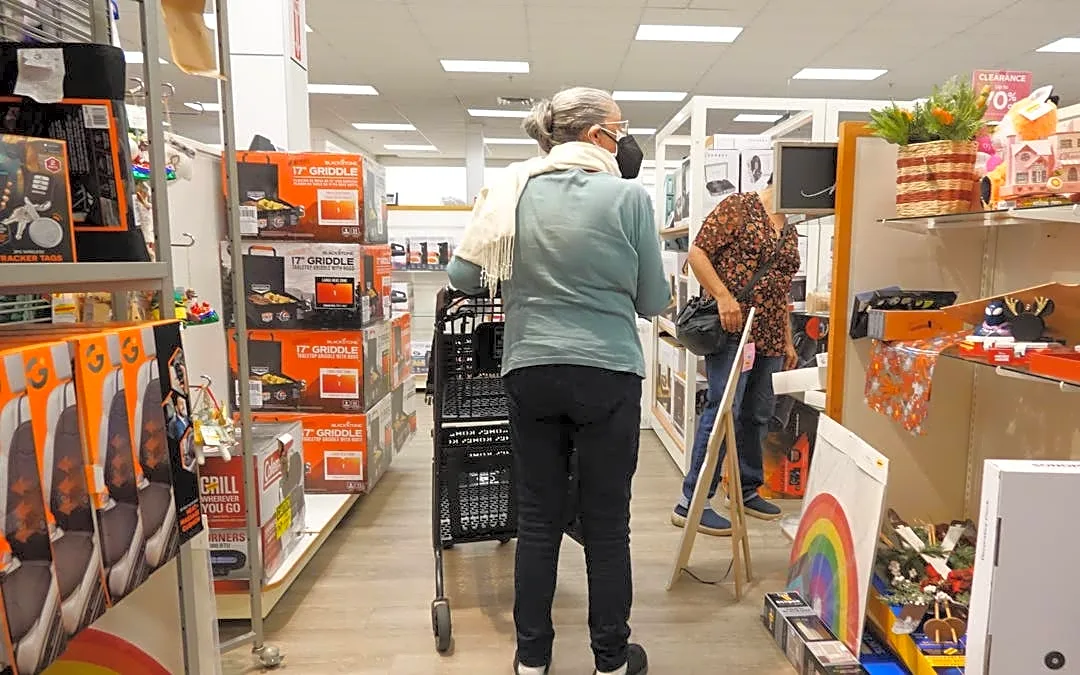
This proposed legislation is significant for addressing the issue of 'food deserts' and ensuring access to fresh, nutritious food in Cleveland's urban areas. The closure of multiple grocery stores has left many residents with limited options, impacting public health and community well-being. By offering tax credits, the city aims to stabilize existing grocers and prevent further closures, which are often exacerbated by factors like cuts to SNAP benefits. While the individual credits may not be massive, the collective impact could be crucial for maintaining essential services in vulnerable neighborhoods. The debate also highlights a broader discussion about the role of municipal government in supporting vital community infrastructure, especially when private businesses struggle to remain profitable in challenging urban environments.
What's Next?
The proposed legislation will proceed to a vote by the entire Cleveland City Council. If passed, the city's public health department will evaluate grocers for eligibility, requiring financial documentation to confirm profitability struggles. The Department of Development would then recommend specific tax credits for City Council approval. City leaders also plan to establish a longer-term fund to support grocers with equipment, renovations, and operational assistance, seeking state, federal, and philanthropic grants. This tax credit program is seen as a preliminary step, with future goals including attracting new food retailers to the city. The city's chief of Integrated Development, Tom McNair, emphasized that a long-term solution also requires addressing population loss and increasing density within Cleveland.
Beyond the Headlines
The Cleveland initiative reflects a growing trend in urban policy where local governments intervene to support essential services that the free market struggles to provide, particularly in underserved communities. The concept of 'good food retailers' introduces a social responsibility component to business incentives, linking financial aid to community benefits like healthy food access and local hiring. This approach raises questions about the extent of government involvement in private enterprise and the definition of 'public good' in a commercial context. The dissent from some council members regarding the potential loss of tax dollars and the suggestion of municipal grocery stores by Council Member Tanmay Shah indicate a deeper philosophical debate about the most effective strategies for urban revitalization and equitable access to resources.