






What's Happening?
Congresswoman Andrea Salinas (OR-06) and Senator Cory Booker (D-NJ), along with eight other Members of Congress, have sent a letter to leading recreational vehicle (RV) manufacturers. The letter urges these companies to adopt more sustainable supply chain
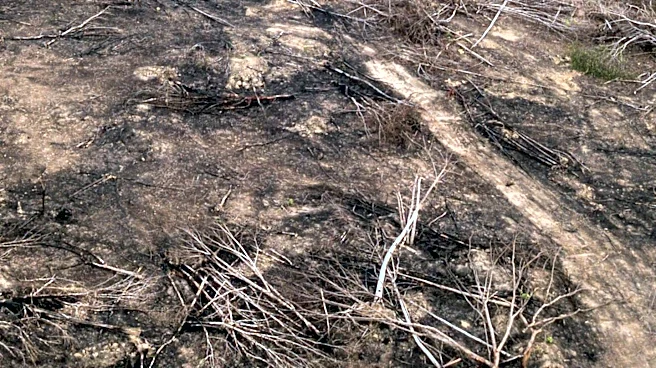
practices and to stop sourcing hardwood from producers linked to deforestation and other environmentally damaging practices. This action follows an investigation by The New York Times, which revealed that Indonesian rainforest timber, harvested from environmentally sensitive regions of Borneo, has entered the supply chains of American RVs. The logging activities have been associated with extensive destruction of rainforests and peatlands, displacement of Indigenous communities, labor abuses, and threats to endangered wildlife, including Bornean orangutans. The lawmakers emphasize that the RV industry, as the largest consumer of tropical hardwood plywood in the U.S., has a responsibility to ensure its supply chains are managed sustainably. They noted that many companies already vet suppliers to eliminate deforestation, but the RV industry currently lacks basic wood-sourcing standards.
Why It's Important?
This initiative is significant for several reasons. Environmentally, it highlights the ongoing global issue of deforestation, particularly in critical ecosystems like the Indonesian rainforests, and its direct link to U.S. consumer products. The destruction of these habitats contributes to climate change, threatens biodiversity, and impacts Indigenous communities. Economically, the call for sustainable sourcing could lead to shifts in the RV industry's supply chains, potentially increasing demand for domestic hardwoods or composite materials. This could benefit U.S. forest product industries that adhere to sustainable practices. For consumers, it raises awareness about the environmental footprint of products they purchase and could drive demand for more ethically sourced goods. The involvement of congressional leaders underscores a growing legislative interest in corporate environmental responsibility and supply chain transparency, potentially setting a precedent for other industries that rely on imported raw materials. It also reflects a broader societal push for businesses to align their practices with environmental stewardship.
What's Next?
The letter encourages RV manufacturers to accelerate their transition to domestic hardwoods or composite materials and to implement robust supply chain traceability practices. Lawmakers are urging these companies to adopt wood sourcing policies that prohibit timber linked to deforestation, peatland destruction, Indigenous peoples' rights violations, or labor abuses. They specifically recommend that all wood products used in RVs be independently certified as legal, sustainably managed, and deforestation-free, citing certifications like the Forest Stewardship Council (FSC) or equivalent standards. The development of new due diligence guidelines, in consultation with expert stakeholders, is also suggested to ensure effective implementation and monitoring of these policies. The response from the RV industry to this congressional pressure will be a key indicator of its willingness to embrace more sustainable practices and could influence future legislative actions regarding supply chain regulations and environmental protection.
Beyond the Headlines
Beyond the immediate environmental and economic implications, this effort touches upon deeper ethical and cultural dimensions. The sourcing of timber from regions where Indigenous communities are displaced and labor abuses occur raises questions about corporate accountability and human rights within global supply chains. The lawmakers' emphasis on the RV industry's role in leading the outdoor recreation sector towards responsible sourcing highlights a potential cultural shift where industries associated with nature are expected to uphold higher environmental and ethical standards. This situation also underscores the power of investigative journalism, as The New York Times' reporting directly spurred this congressional action. It suggests that increased transparency and public scrutiny can be powerful catalysts for change in corporate practices, pushing companies to re-evaluate their global impact and align with broader societal values of sustainability and social justice.