





What's Happening?
At the 2026 ASU+GSV Summit in San Diego, experts discussed the psychological impact of artificial intelligence on youth. The session, titled 'Living and Learning With Aliens: The Complex Psychological Terrain of AI Anthropomorphism,' brought together
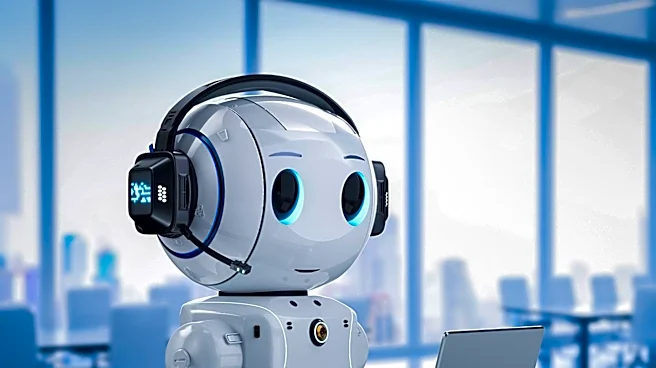
AI developers, university practitioners, and psychologists to explore the potential dangers of AI engagement among young people. Panelists highlighted concerns about AI's ability to mimic human behavior, which could affect children's development of empathy and interpersonal skills. They emphasized the importance of designing AI tools that avoid anthropomorphism and encourage critical thinking. The discussion also touched on the need for long-term research to understand AI's impact on child development.
Why It's Important?
The increasing use of AI by young people raises significant concerns about its impact on their psychological development. As AI tools become more prevalent in educational and social contexts, it is crucial to understand how they influence children's ability to form genuine human connections. The panelists' insights underscore the need for responsible AI design that prioritizes developmental psychology principles. By addressing these concerns, developers can create tools that support rather than hinder children's social and emotional growth. This discussion is particularly relevant as AI continues to integrate into various aspects of daily life, shaping how young people interact with technology and each other.
What's Next?
Moving forward, there will likely be increased focus on developing AI tools that are designed with children's psychological development in mind. This may involve collaboration between AI developers, educators, and psychologists to ensure that tools are both engaging and supportive of healthy development. Policymakers may also play a role in regulating AI tools used by young people, setting guidelines to prevent negative impacts on their social and emotional well-being. As research on AI's impact on child development progresses, it will provide valuable insights into how to balance technological innovation with the need for genuine human interaction.
Beyond the Headlines
The discussion at the ASU+GSV Summit highlights broader ethical and cultural questions about the role of AI in society. As AI tools become more sophisticated, there is a risk of blurring the lines between human and machine interactions, which could have long-term implications for how young people perceive relationships and empathy. The panelists' emphasis on avoiding anthropomorphism in AI design reflects a growing awareness of these challenges. As society navigates the complexities of AI integration, there may be a broader cultural shift towards valuing human connections and emotional intelligence, challenging the dominance of technology in social interactions.