
What's Happening?
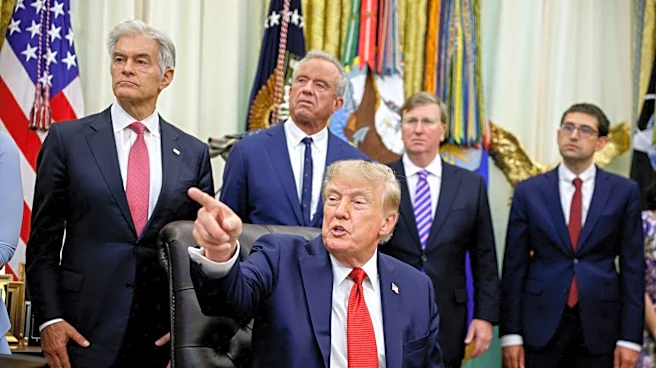
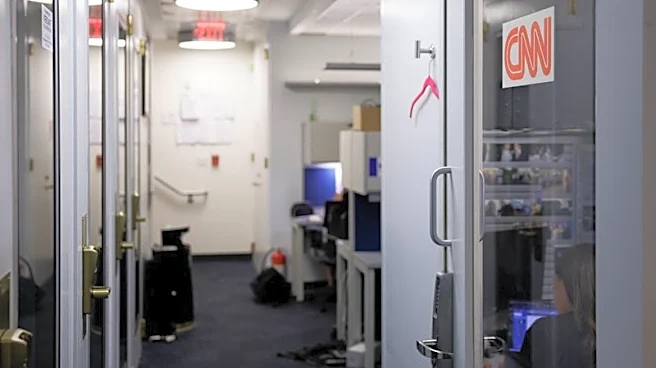
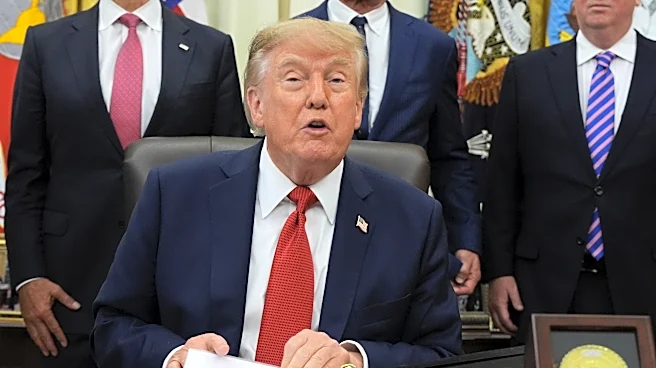
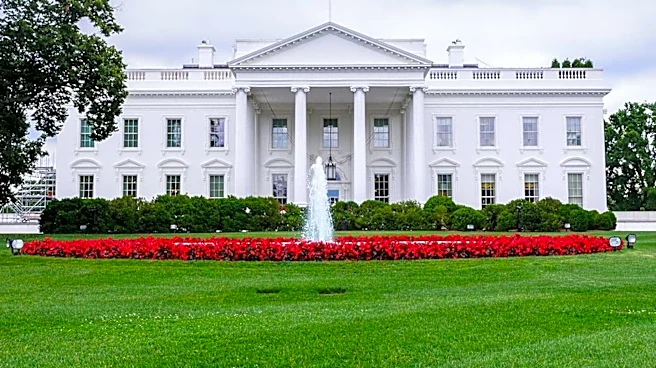
Journalists from MS Now, CNN, and Politico were denied access to the White House grounds on Saturday morning, following President Trump's announcement of a ban on these organizations. Reporters and cameramen from MS Now and CNN, along with Politico's
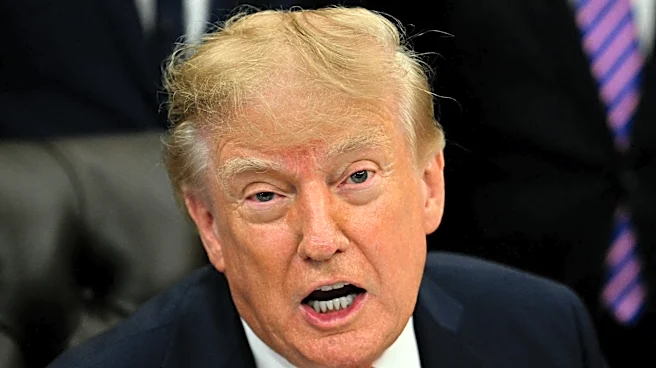
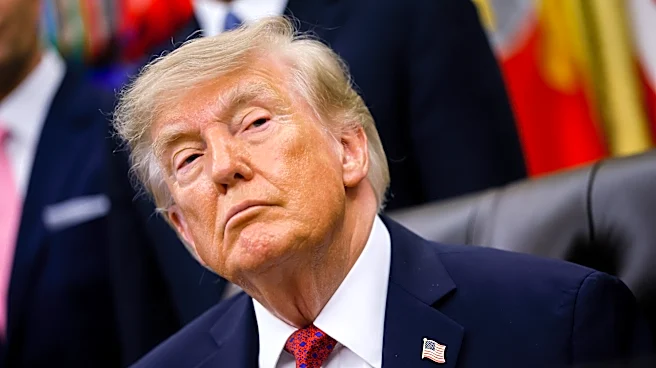
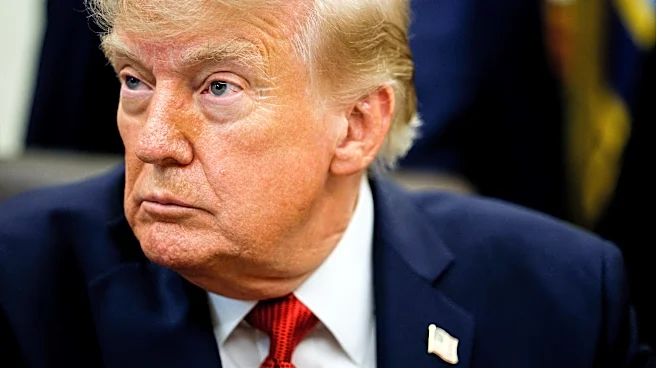
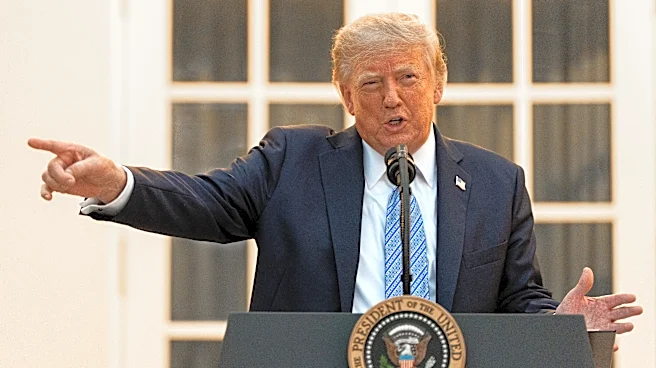
White House reporter, had their press passes confiscated by the U.S. Secret Service at a security gate. This action comes after President Trump stated on Truth Social that he would remove these news outlets "effective immediately" due to what he described as "constant 'reporting' FAKE NEWS!" He indicated that his decision was based on cumulative stories over the past two years and that he is considering banning more media organizations. The White House Correspondents' Association condemned the move, emphasizing that the Constitution protects press freedom regardless of the President's approval of coverage. This incident escalates the ongoing conflict between President Trump and certain media outlets, raising concerns among free speech advocates and Democratic officials.
Why It's Important?
This denial of access to the White House for specific media outlets represents a significant challenge to press freedom in the United States. The ability of journalists to independently cover the executive branch is fundamental to a democratic society, ensuring transparency and accountability. By selectively banning news organizations, the administration risks creating a precedent where access is granted or denied based on perceived favorable or unfavorable coverage, rather than journalistic merit. This could lead to a chilling effect on reporting, as media outlets might self-censor to maintain access, thereby limiting the public's access to diverse and critical information. The White House Correspondents' Association highlighted that this issue extends beyond the rights of journalists to the right of the American people to receive a full and independent account of government activities. Such actions can erode public trust in both the media and government institutions, potentially polarizing the information landscape further.
What's Next?
The affected media organizations, MS Now, CNN, and Politico, have indicated their intent to challenge this ban. MS Now stated it would take "any and all steps necessary to defend our first amendment rights," while CNN asserted its constitutional right to report without government interference, calling the ban an "illegal assault." Politico also affirmed its commitment to defending its First Amendment rights. Legal challenges are a strong possibility, with some commentators suggesting that news organizations should collectively sue the White House. The White House Correspondents' Association is expected to continue advocating for press access and freedom. This situation will likely intensify the debate surrounding press freedom, the role of the media in a democracy, and the boundaries of presidential power regarding media access. The outcome of these challenges could set important precedents for future interactions between the U.S. government and the press.
Beyond the Headlines
The deeper implications of this event touch upon the very foundation of democratic governance and the public's right to information. The President's justification for the ban, citing "FAKE NEWS," reflects a broader trend of delegitimizing critical media, which can undermine the public's ability to distinguish between factual reporting and propaganda. This move could encourage other government officials to restrict access to journalists whose reporting they deem unfavorable, thereby creating a less transparent and accountable political environment. Ethically, it raises questions about the government's responsibility to uphold the principles of a free press, even when faced with critical coverage. The long-term shift could be towards a more controlled information ecosystem, where the government attempts to dictate which narratives reach the public. This situation underscores the ongoing tension between government power and journalistic independence, highlighting the fragility of press freedoms in an increasingly polarized society.