





What's Happening?
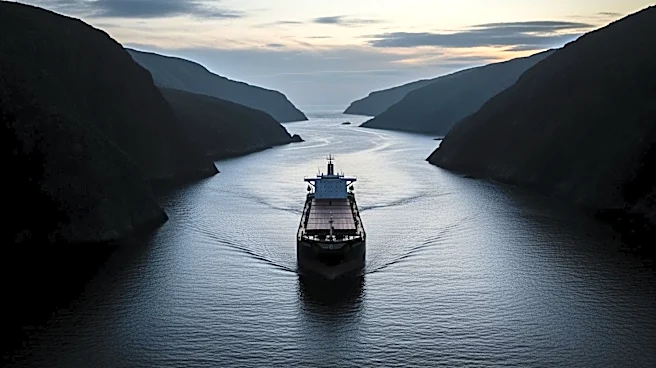
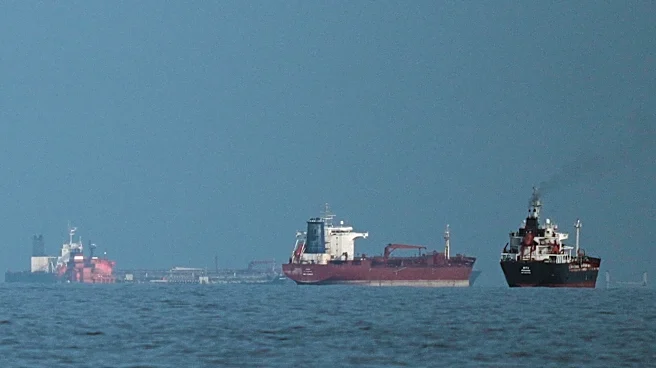
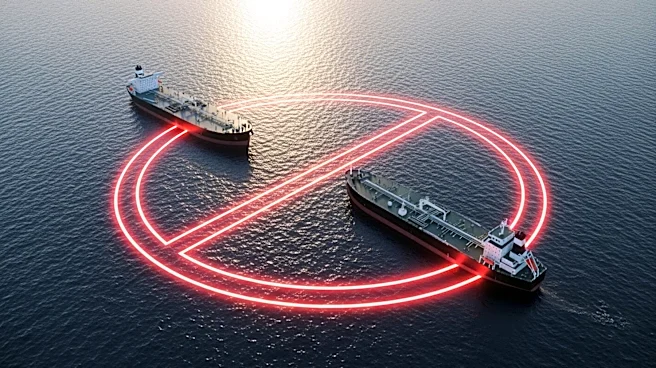
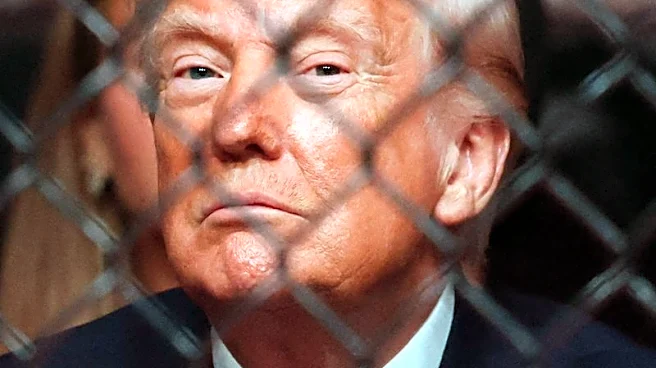
President Trump announced that the U.S. will begin a partial blockade of the Strait of Hormuz and Iran's ports starting at 10 a.m. EDT Monday. This decision follows unsuccessful diplomatic talks aimed at resolving tensions in the region. The blockade is a strategic
move to exert pressure on Iran, given the Strait of Hormuz's critical role in global oil transportation.
Why It's Important?
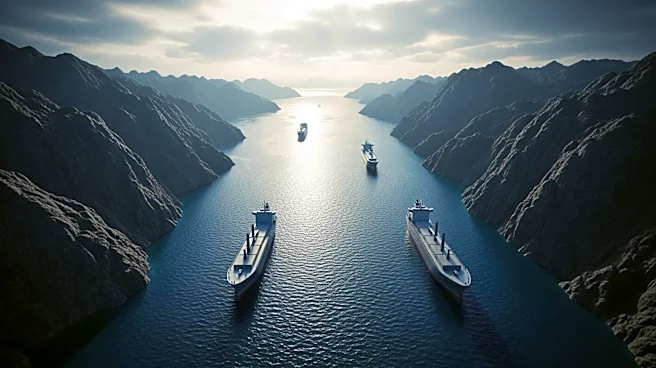
The partial blockade of the Strait of Hormuz is a significant geopolitical development, as the strait is a vital chokepoint for the global oil supply. This action could lead to increased tensions between the U.S. and Iran, potentially impacting global oil prices and international relations. The blockade may also affect U.S. allies and trading partners who rely on oil shipments through the strait, leading to broader economic and political ramifications.
What's Next?
The international community will likely monitor the situation closely, with potential diplomatic efforts to de-escalate tensions. Countries dependent on oil shipments through the Strait of Hormuz may seek alternative routes or engage in negotiations to ensure the stability of their energy supplies. The U.S. may face pressure from allies and international organizations to find a peaceful resolution to the conflict.