



What's Happening?
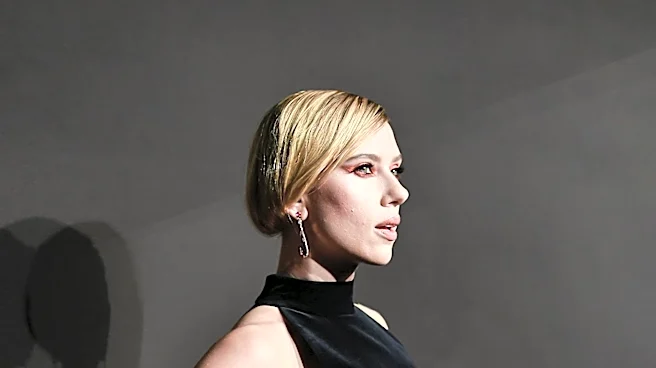
Scarlett Johansson has taken legal action in two separate instances concerning the unauthorized use of her likeness and voice by artificial intelligence. In October 2023, her representatives acted after an image-generating app, Lisa AI: 90's Yearbook
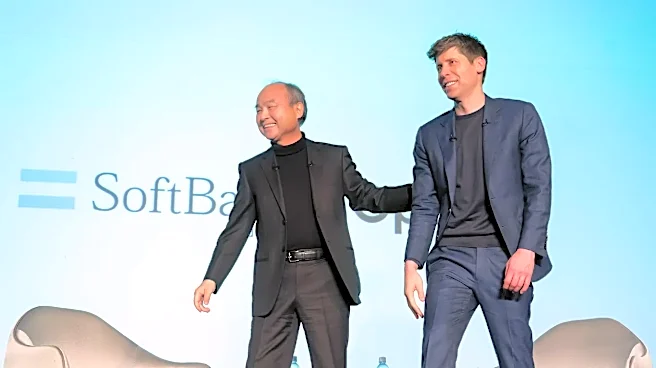
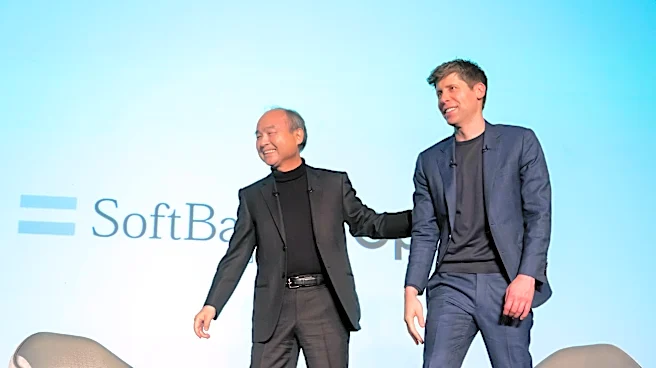
& Avatar, used genuine footage of her from 'Black Widow' and an imitated voice in a social media advertisement without her consent. Her lawyer, Kevin Yorn, stated that they would pursue all available legal remedies, leading to the advertisement's removal. Months later, in May 2024, Johansson accused OpenAI, the company behind ChatGPT, of copying her voice for its 'Sky' conversational system. She claimed that OpenAI CEO Sam Altman had twice asked her to voice the system, which she declined for personal reasons. Despite her refusal, she and others noted a striking resemblance between her voice and the 'Sky' voice. OpenAI stated that the 'Sky' voice belonged to another professional actress and was never intended to resemble Johansson's, but paused its use out of respect.
Why It's Important?
This situation highlights critical legal and ethical challenges posed by rapidly advancing artificial intelligence technology, particularly concerning intellectual property and personal rights. Scarlett Johansson's actions underscore the growing need for robust legal frameworks to protect individuals from unauthorized digital replication of their image and voice. The incidents with both the AI app and OpenAI demonstrate how easily AI can be used to create convincing, yet unauthorized, digital likenesses, raising concerns for public figures and the general public alike. The dispute with OpenAI, a leading AI company, brings to the forefront the tension between technological innovation and individual privacy, potentially setting precedents for how AI companies develop and deploy voice and image synthesis technologies. This issue has significant implications for the entertainment industry, where actors' voices and appearances are central to their professional identity and livelihood.
What's Next?
Scarlett Johansson has called for transparency and new legislation to protect individual rights against AI misuse. While both disputes were handled through lawyers rather than court rulings, her actions are likely to fuel ongoing discussions about AI regulation. The Screen Actors Guild-American Federation of Television and Radio Artists (SAG-AFTRA) has been actively negotiating for protections against AI in contracts, and Johansson's case adds significant weight to these efforts. Future developments may include more explicit legal guidelines for AI developers regarding consent and compensation for using personal data, voices, and likenesses. This could lead to new industry standards and potentially federal legislation aimed at safeguarding individual rights in the digital age, impacting how AI technologies are developed and commercialized across various sectors.
Beyond the Headlines
The cases involving Scarlett Johansson delve into profound ethical and philosophical questions about identity, ownership, and the nature of human expression in an AI-driven world. The ability of AI to mimic human voices and appearances blurs the lines between authentic and synthetic, raising concerns about deepfakes and the potential for widespread misinformation and exploitation. Johansson's experience echoes broader anxieties within the creative community about job displacement and the devaluation of human artistry. Her call for transparency and legislation reflects a growing societal demand for ethical AI development that respects individual autonomy and intellectual property. This ongoing debate will shape not only the future of AI technology but also our understanding of what it means to be human in an increasingly digital and AI-interconnected society, prompting a reevaluation of existing legal and ethical norms.