





What's Happening?
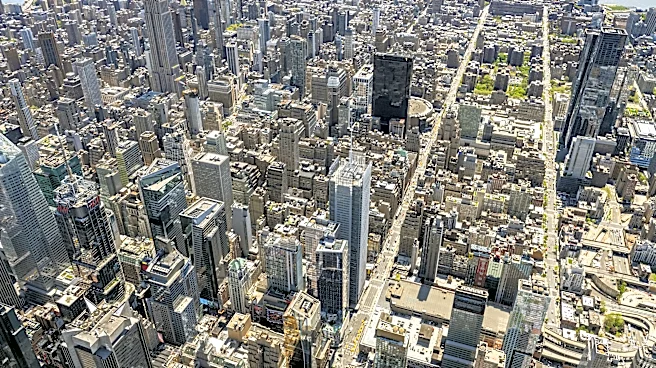
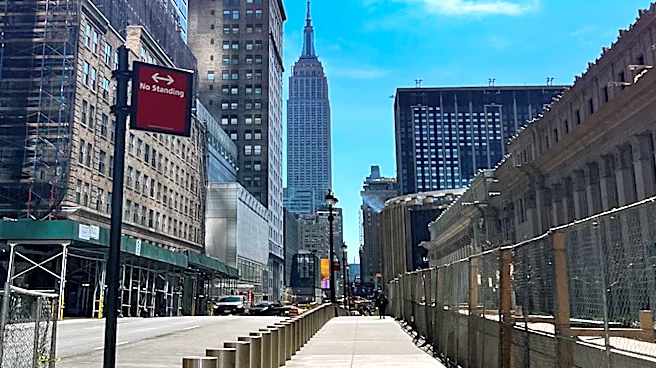
New York City is implementing extensive measures to protect residents from an impending heat wave expected to bring temperatures over 100 degrees. Mayor Zohran Mamdani has activated the city's emergency heat plan, which includes opening additional cooling
centers, extending pool hours, and deploying Cooling Outreach On-Location (COOL) vans. These vans, staffed by medical providers, will offer resources such as electrolytes and transportation to cooling centers. The city is also setting up pop-up cooling stations for outdoor workers and conducting large-scale outreach to businesses. Public pools will have extended hours, and additional city buildings and library branches will serve as cooling centers. The city is urging residents to conserve energy and check on vulnerable neighbors.
Why It's Important?
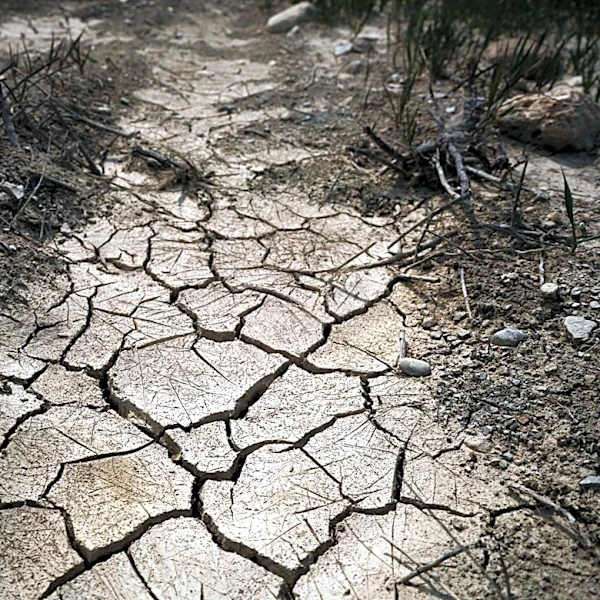
The measures taken by New York City highlight the growing need for urban areas to adapt to extreme weather conditions, likely exacerbated by climate change. By expanding cooling resources and outreach efforts, the city aims to prevent heat-related illnesses and fatalities, particularly among vulnerable populations such as the elderly and those without access to air conditioning. This proactive approach underscores the importance of community resilience and preparedness in the face of climate challenges. The city's actions could serve as a model for other urban areas facing similar heat risks, emphasizing the role of local governments in safeguarding public health.
What's Next?
As the heat wave progresses, the effectiveness of these measures will be closely monitored. The city may need to adjust its strategies based on real-time conditions and feedback from residents. Continued public awareness campaigns and community engagement will be crucial in ensuring that all residents, especially those most at risk, have access to the necessary resources. The city's response could influence future policies on climate adaptation and emergency preparedness, potentially leading to more permanent infrastructure and support systems for extreme weather events.