





What's Happening?
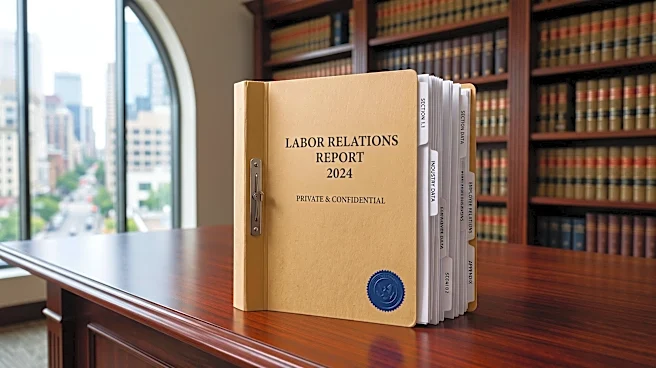
The Western New York Workers’ Rights Board (WRB) has published a new report titled 'Hostile Hotel: Violations of Workers’ Rights at the Buffalo Hyatt Regency.' This report details alleged mistreatment and discrimination against workers at the Buffalo Hyatt Regency,
who have been attempting to unionize for over two years. The National Labor Relations Board (NLRB) has issued a rare Gissel Bargaining Order, compelling the Hyatt to recognize the union due to the severity and number of Unfair Labor Practices (ULPs) committed by management. Workers initially sought unionization due to low pay, disrespect from management, heavy workloads, lack of voice, reduced hours, unpredictable scheduling, and poor treatment of immigrant colleagues. Testimony from a Hyatt Buffalo worker, Tiba Salvatore, highlighted alleged hostile and racist behavior from management, including the use of racial slurs and derogatory comments about her Middle Eastern heritage. Gary Bonadonna, Jr., Vice President of Workers United, stated that the report confirms the Hyatt Regency Buffalo as a labor law violator.
Why It's Important?
This report and the NLRB's Gissel Bargaining Order underscore significant issues regarding workers' rights and labor relations within the U.S. hospitality industry. The NLRB's decision to issue a Gissel Order is uncommon, indicating that the alleged unfair labor practices at the Buffalo Hyatt Regency were so egregious that a fair union certification election was deemed impossible. This sets a precedent for how severe employer misconduct can lead to mandatory union recognition, bypassing traditional election processes. The case highlights the challenges workers face when attempting to unionize, particularly concerning alleged discrimination and hostile work environments. It also brings attention to the role of local workers' rights boards and labor federations in advocating for employees and exposing violations. The outcome could influence unionization efforts in other hotels and industries, potentially empowering workers and leading to increased scrutiny of management practices nationwide.
What's Next?
The Buffalo Hyatt Regency is now under an NLRB order to recognize the union, a direct consequence of the documented Unfair Labor Practices. This recognition will likely lead to collective bargaining negotiations between the hotel management and the union, aiming to address the workers' initial grievances regarding pay, working conditions, and respect. The Western New York Workers’ Rights Board and the Coalition for Economic Justice will likely continue to monitor the situation to ensure compliance with the NLRB order and to support the workers. The report's findings and the NLRB's actions could also prompt further investigations into labor practices within the hospitality sector, potentially leading to broader policy discussions or enforcement actions. Other labor organizations may use this case as a model or cautionary tale in their own unionization campaigns, emphasizing the importance of documenting employer misconduct.
Beyond the Headlines
The situation at the Buffalo Hyatt Regency extends beyond a single labor dispute, touching upon deeper societal issues of worker dignity, racial discrimination, and the power dynamics between labor and management. The alleged use of racial slurs and derogatory comments by management, as detailed in the report, highlights persistent challenges of workplace discrimination that can undermine efforts to create equitable environments. The rare Gissel Bargaining Order by the NLRB, even under the Trump NLRB, suggests a significant level of misconduct that warranted an extraordinary intervention, emphasizing the legal and ethical boundaries employers must respect. This case also reflects the evolving landscape of labor activism, where local community organizations and workers' rights boards play a crucial role in amplifying worker voices and holding corporations accountable, especially in 'Union Towns' like Buffalo. The long-term implications could include a re-evaluation of corporate responsibility and ethical labor practices across the U.S.