







What's Happening?
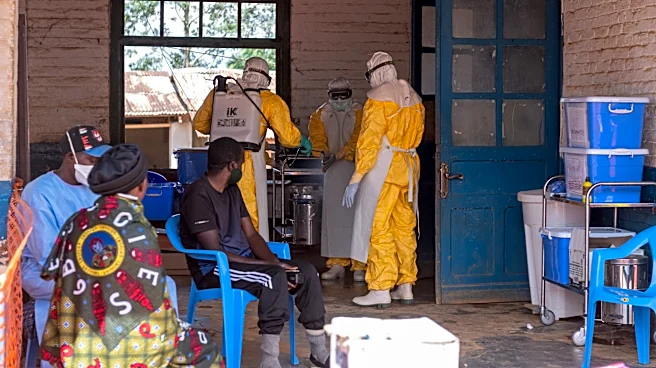
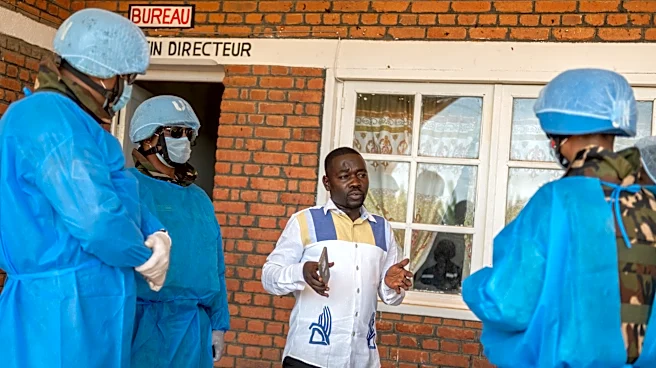
The Democratic Republic of Congo is experiencing a severe Ebola outbreak, with over 100 deaths reported out of 550 confirmed cases. The outbreak is primarily concentrated in the eastern province of Ituri, which accounts for more than 90% of the cases. The situation
is exacerbated by ongoing conflict and attacks on health workers, which hinder efforts to contain the disease. The outbreak was declared on May 15, but the late confirmation and challenges in contact tracing have complicated the response. The World Health Organization (WHO) has noted that the risk of the disease spreading to the rest of Africa and globally is currently low. However, the conflict and movement of displaced populations make it difficult to trace and manage the spread of the virus.
Why It's Important?
The Ebola outbreak in Congo poses significant public health challenges, not only for the country but potentially for the broader region. The conflict in Ituri province complicates efforts to control the outbreak, as it disrupts surveillance and response activities. The lack of an approved vaccine or treatment for the Bundibugyo virus strain further complicates the situation. The outbreak highlights the vulnerability of regions affected by conflict to infectious diseases, as well as the importance of timely and coordinated international response efforts. The situation underscores the need for improved health infrastructure and conflict resolution to prevent future outbreaks.
What's Next?
Efforts to contain the outbreak will likely continue to face challenges due to the ongoing conflict and skepticism among local populations. Health authorities and international organizations may need to increase their engagement with local communities to improve trust and cooperation. The WHO and other health agencies will likely continue to monitor the situation closely and provide support to the Congolese government. The international community may also need to consider additional humanitarian aid to address the needs of displaced populations and support health workers on the ground.
Beyond the Headlines
The outbreak in Congo raises broader questions about global health security and the capacity of international systems to respond to health crises in conflict zones. It also highlights the ethical considerations of providing healthcare in areas where security is compromised. The situation may prompt discussions on the development of vaccines and treatments for less common strains of Ebola and other infectious diseases. Additionally, the outbreak could influence future policy decisions regarding international health aid and conflict resolution strategies.