




What's Happening?
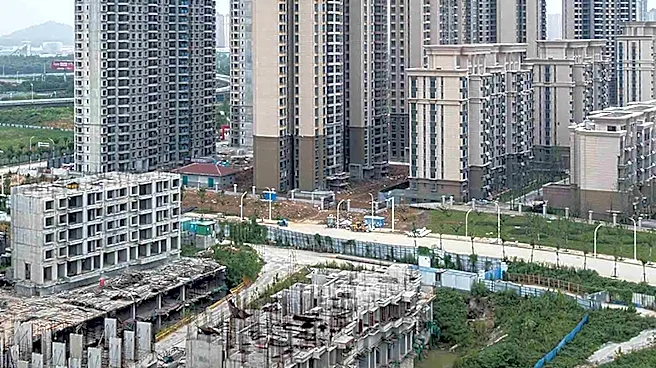
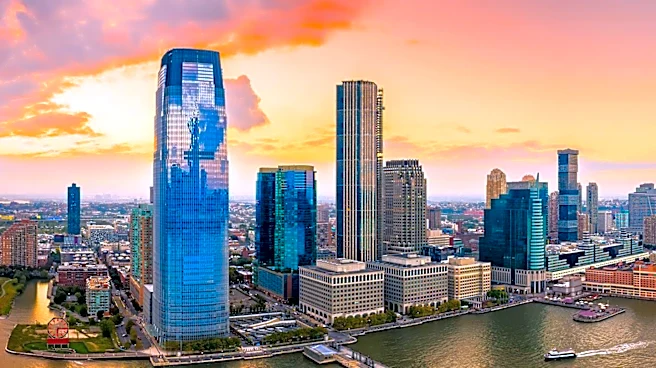
Downtown Jersey City schools, particularly P.S. 16, are experiencing a severe overcrowding crisis, forcing the busing of Pre-K students and soon all kindergartners to other locations across the city. A decade of economic boom and rapid housing development
in areas like Paulus Hook has led to a significant influx of families, tripling P.S. 16's enrollment from 430 students in 2015-2016 to 1,144 in 2025-2026. The school, operating out of a century-old building, lacks the capacity for its student population. Parents report chaotic daily routines, including long waits in various weather conditions for buses that transport their young children to schools up to 30 minutes away. Despite an annex opening in 2021 intended for Pre-K, it was immediately needed for older grades due to the rapid growth. The issue has become a central point of contention in local school board elections, with parents expressing frustration over crowded classrooms and the logistical challenges of busing.
Why It's Important?
This overcrowding crisis in Jersey City's downtown schools highlights a critical infrastructure challenge stemming from rapid urban development without corresponding educational facility expansion. The situation impacts the quality of education for hundreds of students, as classrooms become overpopulated, potentially reducing individual attention and resources. For families, the daily busing of young children creates significant logistical burdens, safety concerns, and stress, affecting their daily lives and potentially their decision to remain in the city. The issue also underscores a broader problem in urban planning where residential growth outpaces public service capacity, leading to strain on essential services like education. The lack of immediate solutions, partly due to state funding priorities for other overcrowded districts, means that a highly rated and sought-after school like P.S. 16 is struggling to accommodate its community, potentially affecting property values and the overall desirability of the neighborhood for families.
What's Next?
Jersey City leaders are currently weighing various options to address the overcrowding, none of which are ideal. These include the prospect of further redistricting, which could shuffle more students to different schools. The most desired solution, building a new school downtown, faces significant hurdles. The New Jersey Schools Development Authority (SDA), responsible for school construction, is underfunded and prioritizes districts with even greater needs. While the SDA has long-term plans to replace one of Jersey City's elementary schools, it's unclear if P.S. 16 will be chosen, despite being identified as one of 20 pre-1950 buildings needing replacement. Negotiations for potential new school space within new developments, such as the 111 First Street project, are ongoing but face uncertainty, especially after the resignation of the city's former deputy mayor for housing who was leading those discussions. Parents and officials will continue to advocate for solutions, particularly in the context of upcoming school board elections.
Beyond the Headlines
The situation at P.S. 16 in Jersey City reflects a broader tension in rapidly gentrifying urban areas: the struggle to maintain public services amidst explosive private development. While the economic boom brings prosperity and new residents, it often strains existing infrastructure, particularly schools, which are not as easily expanded as housing units. This creates a two-tiered system where affluent areas, despite their wealth, face significant challenges in providing basic public services due to space constraints and state funding mechanisms that prioritize poorer districts. The crisis also raises questions about the long-term sustainability of unchecked development and the need for more integrated urban planning that considers the holistic needs of a growing population, including educational capacity. It highlights the ethical dilemma of balancing economic growth with the well-being and educational equity of a city's youngest residents, and the potential for such issues to exacerbate social inequalities within a community.