







What's Happening?
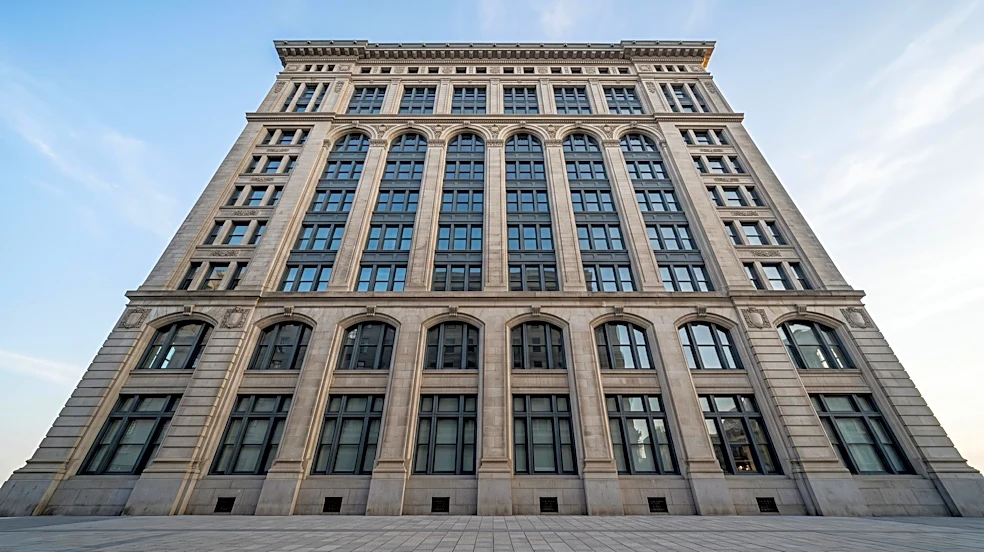
The Kansas Historical Society highlights the historical significance of the Brotherhood Block in Kansas City, Kansas, which has served as the headquarters for the International Brotherhood of Boilermakers and Iron Ship Builders, Blacksmiths, Forgers and Helpers
since 1920. This union, the only national one headquartered in Kansas, was established to advocate for improved wages, working conditions, and the overall welfare of its members. Founded in Chicago in 1893 through the merger of several unions, its goals included promoting social justice, cooperation, and the advancement of craftsmen. Lee Johnson, a Kansas native, was the first president and instrumental in relocating the headquarters to Kansas City, Kansas. The Brotherhood initially rented office space before purchasing the Wahlenmaier Building in 1920, remodeling it to add five stories of office and rental space. By 1921, it was one of the largest affiliated unions with the American Federation of Labor, boasting 103,000 members.
Why It's Important?
The history of the Brotherhood Block and the International Brotherhood of Boilermakers and Iron Ship Builders is crucial for understanding the evolution of labor rights and industrial development in the United States, particularly in Kansas. The union's efforts to secure acceptable wages and better working conditions played a significant role in shaping the economic landscape for countless workers. Its establishment in Kansas City, Kansas, underscores the region's importance as a hub for industrial activity and labor organizing during the late 19th and early 20th centuries. The union's adaptation to technological changes, such as the shift from riveting to welding and the construction of nuclear-powered ships, demonstrates the resilience and evolving nature of skilled trades. This historical account provides valuable context for contemporary discussions on labor unions, worker protections, and the ongoing relevance of collective bargaining in the U.S. economy.
What's Next?
While the article primarily focuses on historical events, the ongoing presence of the International Brotherhood of Boilermakers and Iron Ship Builders, Blacksmiths, Forgers and Helpers suggests its continued role in advocating for its members. The union's current activities would likely involve ongoing negotiations for wages and benefits, training programs for new technologies, and political advocacy for labor-friendly policies. As industries continue to evolve, the union will need to adapt its strategies to address new challenges, such as automation, green energy initiatives, and global economic shifts. Its historical legacy at the Brotherhood Block serves as a reminder of the enduring importance of organized labor in protecting workers' interests and contributing to economic stability. Future developments will likely see the union continuing its mission within the context of a changing industrial landscape.
Beyond the Headlines
The narrative of the Brotherhood Block extends beyond mere historical facts, touching upon the broader societal impact of labor movements. The union's commitment to social justice and cooperation highlights the ethical dimensions of labor organizing, emphasizing the collective good over individual gain. The story also illustrates the significant role of infrastructure and industrial growth, particularly the railroad industry, in shaping urban development and labor demand in places like Kansas City. The inclusion of women in the union during World War II reflects a pivotal moment in both labor history and women's rights, showcasing how societal changes can influence and be influenced by organized labor. This historical account serves as a testament to the power of collective action in driving social and economic progress, offering insights into the enduring struggle for equitable labor practices and the continuous adaptation required to remain relevant in a dynamic economy.