



What's Happening?
The U.S. electrical grid is under increasing pressure as demand for electricity rises faster than the grid can adapt. In 2025, grid operators reported a significant increase in peak electricity demand, while new capacity additions lagged behind. This
has raised concerns about potential shortages during extreme weather events. The grid's resilience is becoming a central issue in the climate debate, as it must withstand stress from heatwaves, load surges, and fuel market uncertainties. The focus is shifting from merely generating clean energy to ensuring the grid's ability to handle these challenges.
Why It's Important?
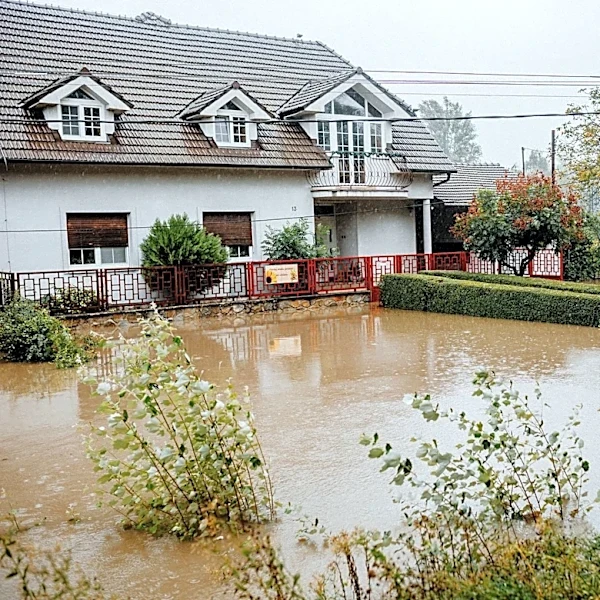
The resilience of the electrical grid is crucial for maintaining economic productivity and ensuring the reliability of critical services. Frequent power outages, often caused by severe weather, have significant economic and social impacts. As the U.S. transitions to a low-carbon economy, the grid's ability to support increased electrification of transportation and industry is vital. A stable and reliable grid is essential for achieving emissions reduction goals and preventing costly emergency interventions. The situation highlights the need for investment in grid infrastructure and the integration of diverse energy sources to enhance system stability.
What's Next?
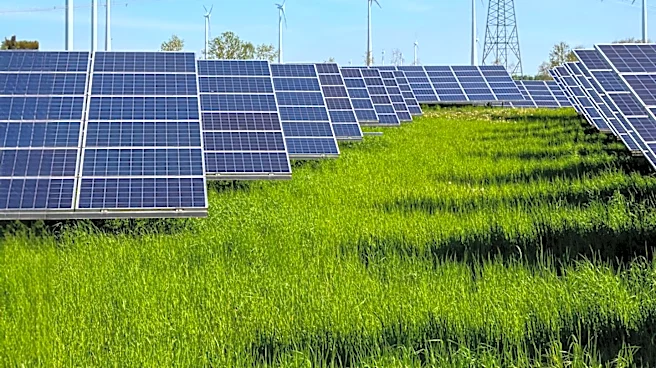
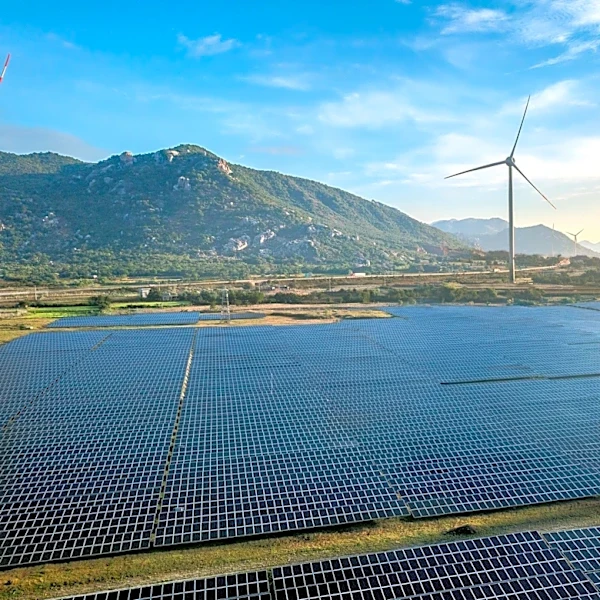
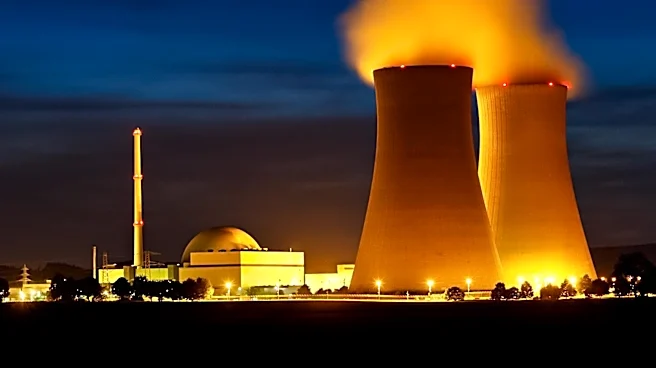
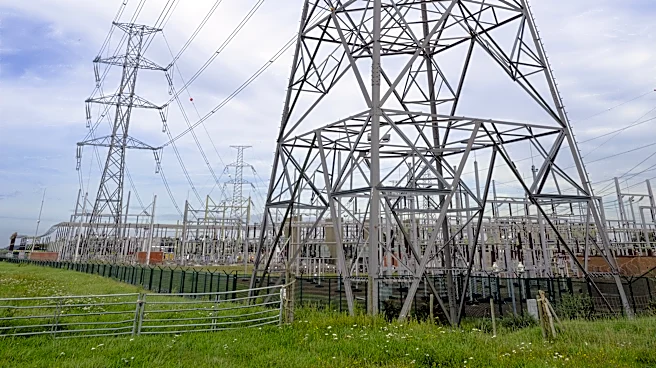
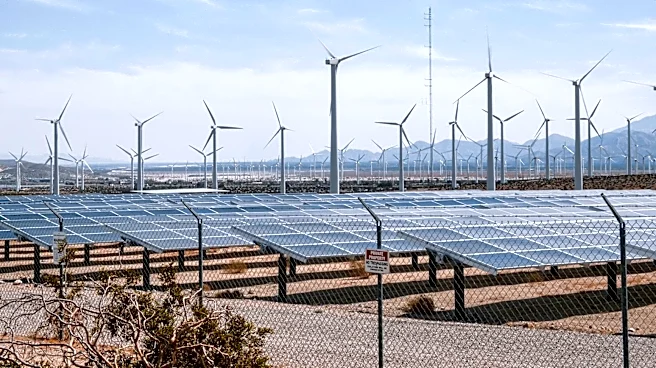
To address these challenges, there will likely be increased investment in grid infrastructure, including transmission lines and storage solutions. Policymakers and industry leaders may focus on enhancing the grid's capacity to handle variable renewable energy sources like wind and solar. The role of nuclear energy as a stable power source may also be reconsidered. As the demand for electricity continues to grow, strategic planning and investment will be necessary to ensure the grid's resilience and reliability in the face of climate change.