




What's Happening?
Senator Ted Cruz has voiced strong opposition to the ALERT Act, a legislative proposal aimed at mandating the use of Automatic Dependent Surveillance-Broadcast In (ADS-B In) systems in aircraft. The House of Representatives recently passed the ALERT Act with
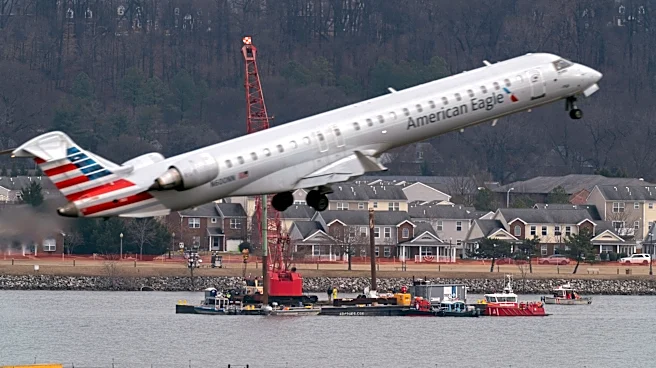
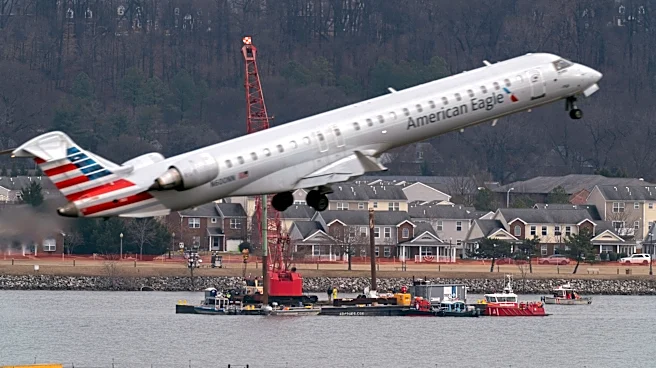
a significant majority, but Cruz argues that the bill fails to address critical safety improvements needed to prevent midair collisions. The bill, which is now under Senate consideration, would require large aircraft to be equipped with both ADS-B In and the Airborne Collision Avoidance System X (ACAS X) by 2031. The Air Line Pilots Association (ALPA) supports Cruz's stance, criticizing the ALERT Act for not providing comprehensive traffic awareness and collision avoidance systems. The debate stems from a January 2025 midair collision near Washington, DC, which highlighted the need for improved aviation safety measures.
Why It's Important?
The debate over the ALERT Act is significant as it underscores the ongoing challenges in enhancing aviation safety in the U.S. The proposed legislation aims to prevent future midair collisions by mandating advanced surveillance and collision avoidance technologies. However, the disagreement between the House and Senate, as well as the concerns raised by aviation stakeholders like ALPA, highlight the complexities involved in implementing effective safety measures. The outcome of this legislative battle could have far-reaching implications for the aviation industry, potentially affecting regulatory standards, airline operations, and passenger safety. The decision will also influence how quickly and effectively new technologies are integrated into the national airspace system.
What's Next?
As the Senate considers the ALERT Act, further discussions and potential amendments are expected. Senator Cruz and his colleagues, with support from ALPA, have proposed an alternative bill, the ROTOR Act, which mandates a more comprehensive use of ADS-B In systems. The Senate will need to reconcile the differences between the two bills, considering the technical feasibility and timeline for implementing the required technologies. The aviation industry and safety advocates will likely continue to lobby for their preferred solutions, emphasizing the need for timely and effective safety enhancements. The legislative process will determine the final form of the regulations and their impact on aviation safety standards.