






What's Happening?
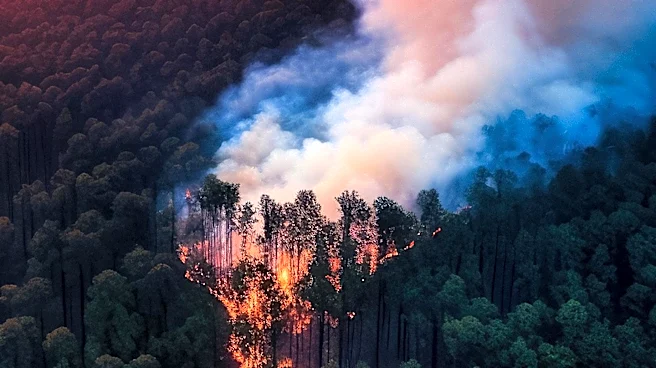
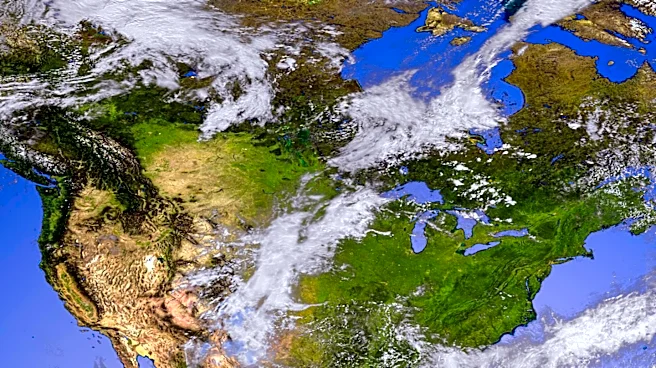
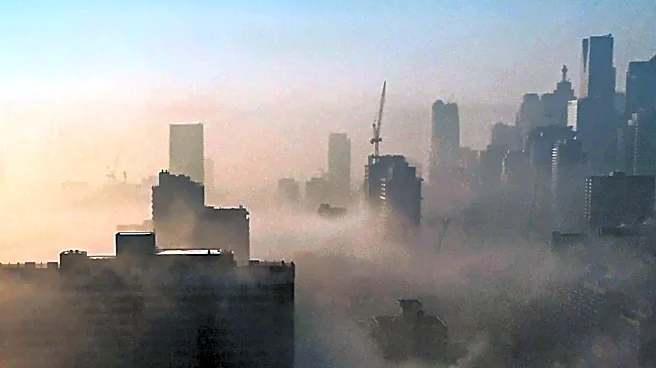
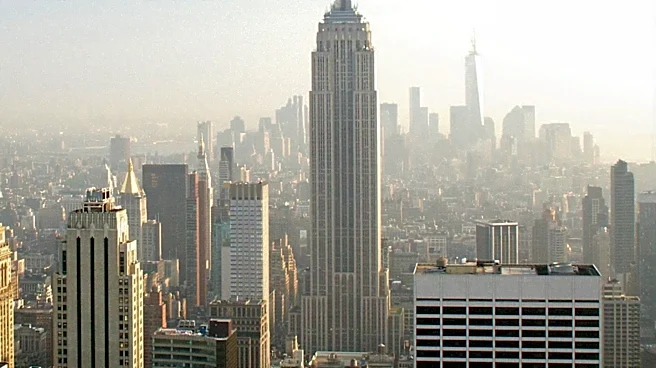
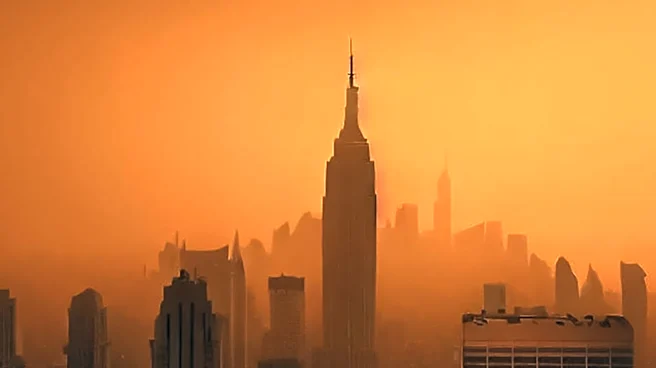
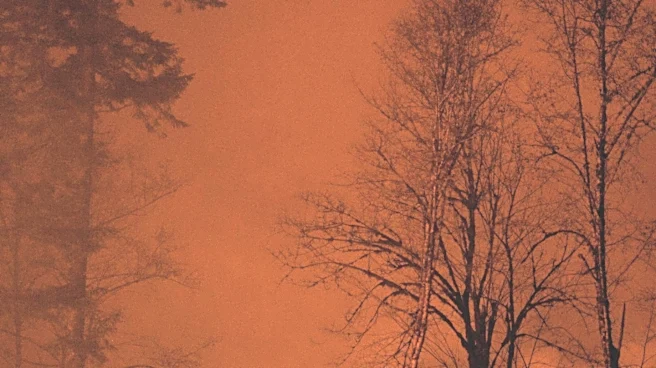
Wildfire smoke from Canada is affecting air quality across North America, with recent reports indicating that cities like Toronto, New York, and Washington have experienced some of the worst air quality globally. The increase in wildfires is attributed
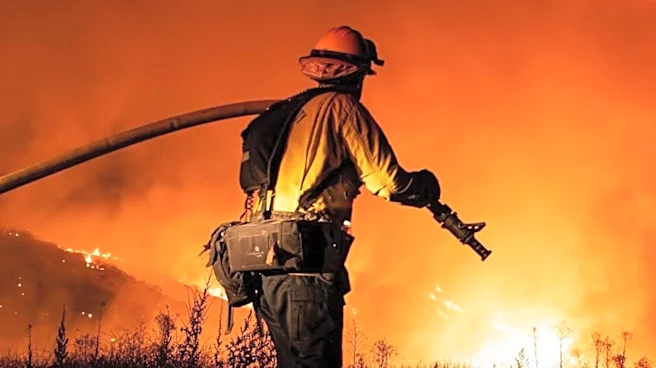
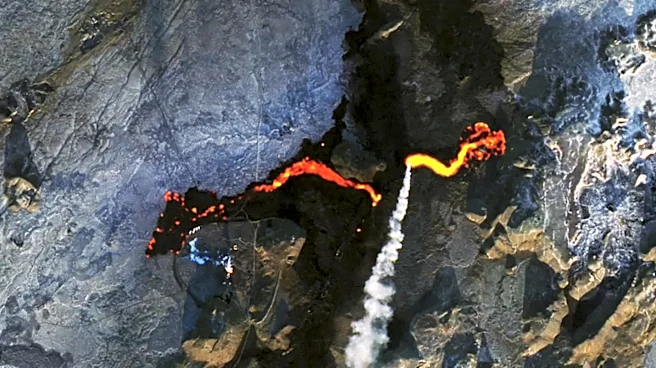
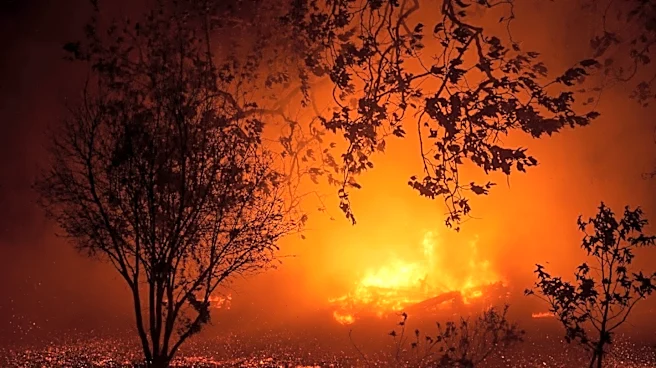
to rising global temperatures, which have led to drier forests and prolonged wildfire seasons. Canada, which holds a significant portion of the world's boreal forests, is experiencing more active wildfires than in previous years, with the area burned exceeding the 10-year average. The Canadian government has increased funding for firefighting efforts, but the country lacks a federal agency dedicated to wildfire management, unlike other Group of Seven nations.
Why It's Important?
The spread of wildfire smoke into the U.S. highlights the transboundary nature of environmental issues and the impact of climate change on public health and safety. Poor air quality poses significant health risks, particularly for vulnerable populations, and can strain healthcare systems. The situation underscores the need for coordinated international efforts to address climate change and improve emergency response capabilities. The economic implications are also notable, as tourism and outdoor activities are disrupted, and resources are diverted to firefighting efforts.
What's Next?
In response to the growing wildfire crisis, there are calls for Canada to establish a national response organization to better manage and coordinate firefighting efforts. The Canadian Senate has recommended creating a federal coordinating office for wildfires and funding a national fleet of modern firefighting aircraft. These measures aim to enhance the country's ability to respond to severe wildfires and mitigate their impact on communities and the environment.
Beyond the Headlines
The increasing frequency and intensity of wildfires raise ethical and policy questions about land management and climate change mitigation. There is a need to balance economic development with environmental conservation, as unmanaged forests contribute to the severity of wildfires. The situation also highlights the importance of international cooperation in addressing climate-related challenges, as the effects of wildfires do not respect national borders.