


What's Happening?
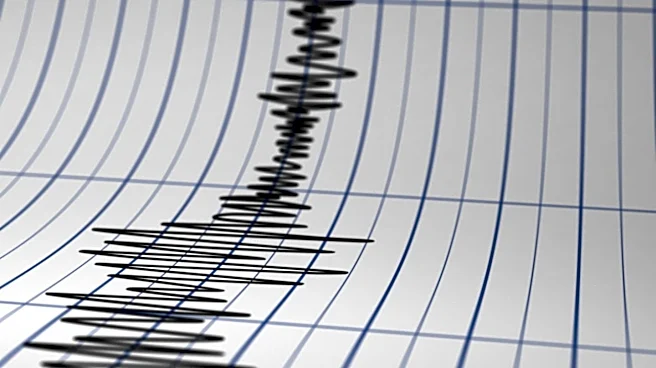
Tsunamis are primarily caused by the sudden displacement of large volumes of seawater, often due to powerful underwater earthquakes at subduction zones. Other causes include volcanic eruptions, underwater landslides, and rare asteroid impacts. These waves
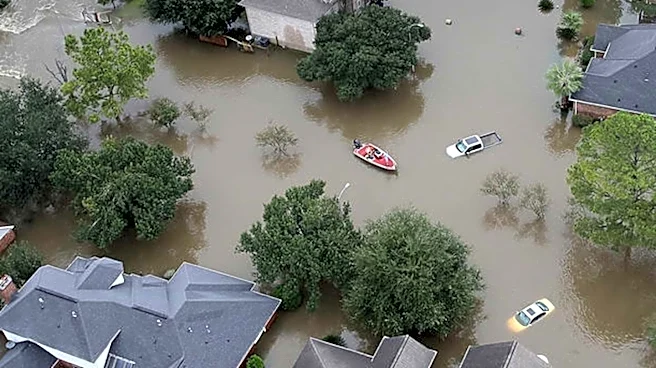
can travel across oceans at high speeds and grow dramatically taller as they approach coastal areas, leading to catastrophic flooding. The Pacific Ring of Fire is a major source of tsunamis due to its frequent seismic activity. Understanding the mechanisms behind tsunamis is crucial for improving hazard assessments and early warning systems.
Why It's Important?
Tsunamis pose a significant threat to coastal communities worldwide, causing loss of life and extensive property damage. By understanding the causes and behavior of tsunamis, scientists can enhance early warning systems, potentially saving lives and reducing economic losses. This knowledge is vital for disaster preparedness and response strategies, particularly in regions prone to seismic activity. Improved monitoring and education can help communities better prepare for and respond to these natural disasters, aligning with global efforts to mitigate the impacts of climate-related hazards.