



What's Happening?
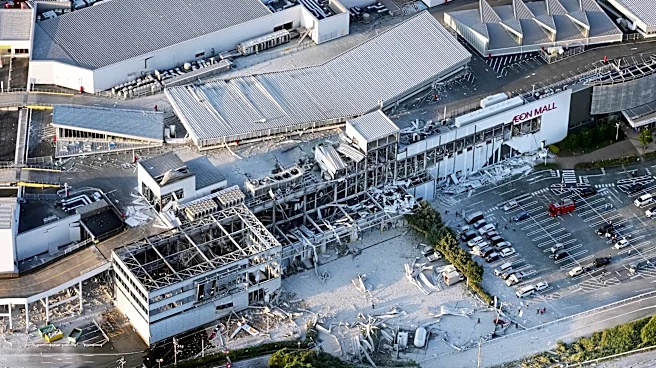
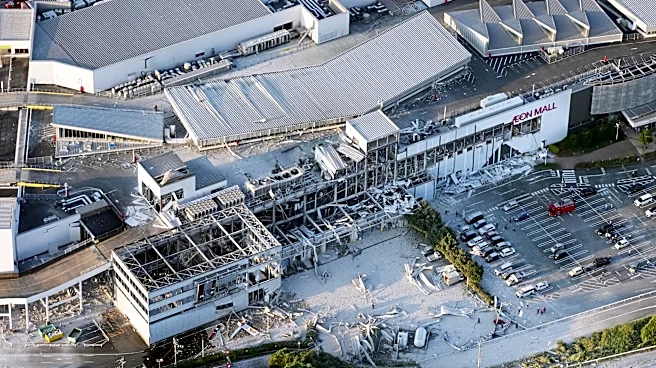
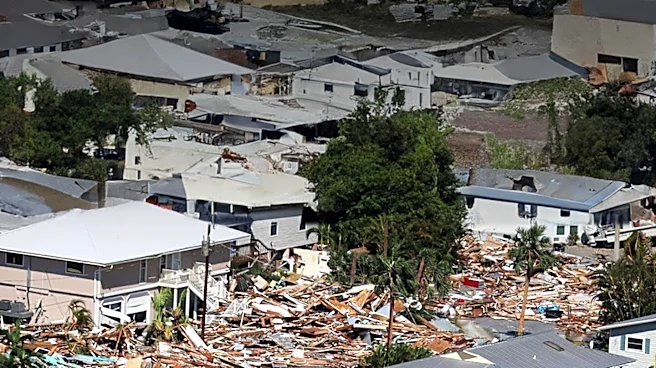
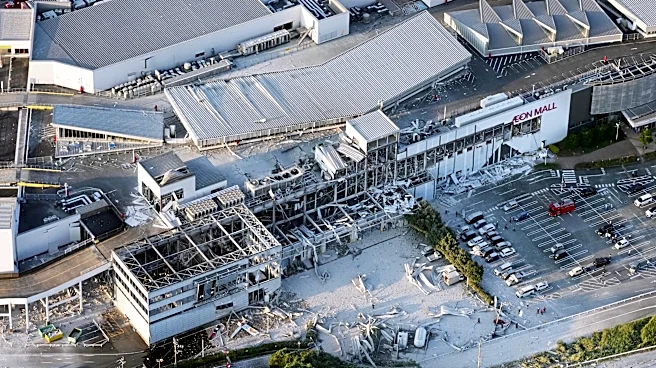
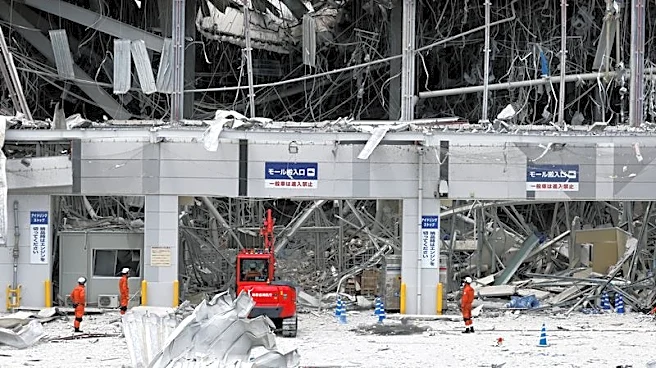
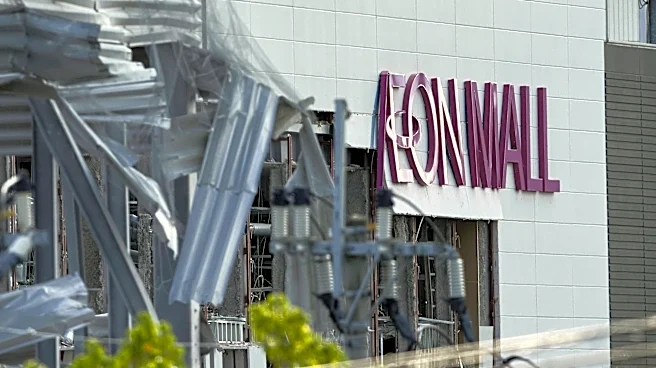
A magnitude 7.1 earthquake struck south-west Japan, causing significant damage and trapping several people in a shopping center in Kumamoto prefecture. The International Atomic Energy Agency (IAEA) reported that the Sendai Nuclear Power Plant, located
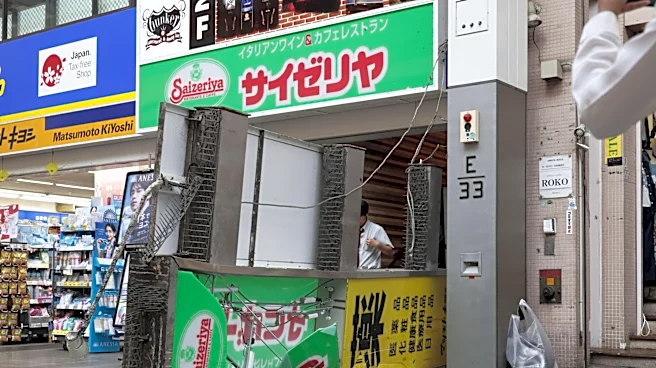
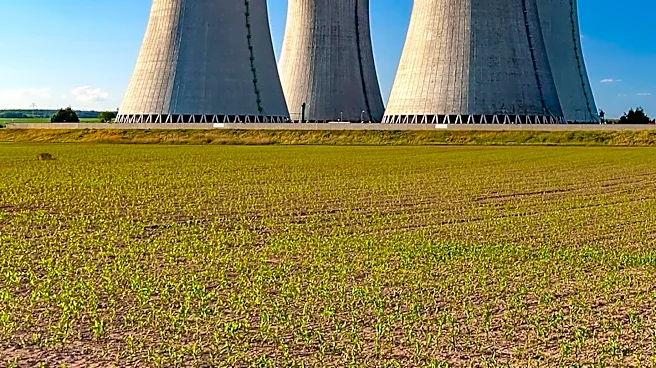
approximately 100 kilometers from the earthquake's epicenter, sustained no damage and remains operational. The earthquake, which led to a brief tsunami warning, has resulted in at least 13 fatalities and significant infrastructure damage, including collapsed roads and buildings. Emergency services, including Japan's self-defense forces, have been deployed to assist in rescue operations. The Japan Meteorological Agency recorded over 60 aftershocks following the initial quake.
Why It's Important?
The earthquake highlights Japan's vulnerability to seismic activity, given its location on the Pacific Ring of Fire. The IAEA's confirmation of the Sendai Nuclear Power Plant's safety is crucial, as nuclear safety remains a sensitive issue in Japan following the Fukushima disaster in 2011. The event underscores the importance of robust emergency response systems and infrastructure resilience in earthquake-prone regions. The ongoing rescue efforts and the deployment of thousands of soldiers emphasize the scale of the disaster response required. The situation also raises concerns about the preparedness of other nuclear facilities in similar seismic zones worldwide.
What's Next?
Rescue operations are ongoing, with emergency services racing against time to find and assist survivors trapped in collapsed structures. The Japanese government is likely to conduct a thorough review of the earthquake's impact on infrastructure and emergency response protocols. The IAEA will continue to monitor the situation at the Sendai Nuclear Power Plant to ensure ongoing safety. The event may prompt discussions on enhancing earthquake preparedness and nuclear safety measures in Japan and other countries with similar risks.