




What's Happening?
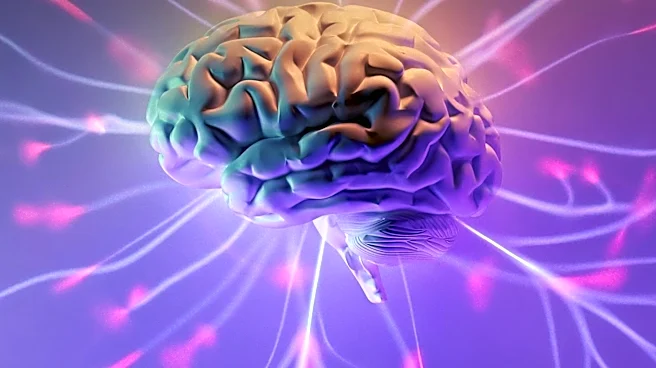
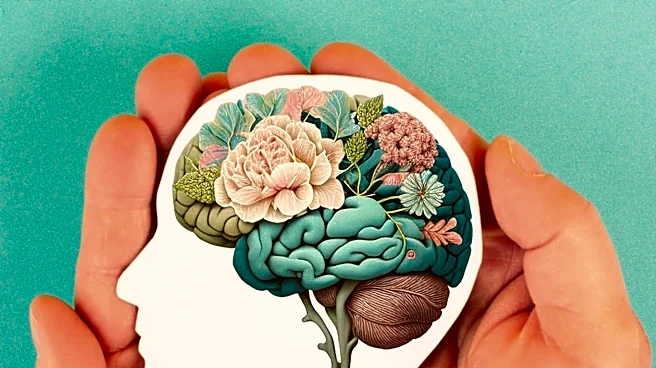
Recent research has identified distinct neuronal populations within the anterior cingulate cortex (ACC) in mice that are specifically involved in processing pain and itch sensations. These modality-specific neurons receive synaptic inputs from mediodorsal
thalamic neurons, which are activated by either pain or itch stimuli. The study demonstrated that selectively inhibiting these neurons through chemogenetic methods reduced either pruriception (itch sensation) or nociception (pain sensation) without affecting the other modality. This indicates a specialized neural circuitry for these distinct sensory experiences within the ACC. The findings contribute to a deeper understanding of how the brain processes these sensations, moving beyond a general understanding of somatosensory processing to pinpoint specific neural pathways.
Why It's Important?
This discovery is significant for understanding the fundamental mechanisms of pain and itch, which are common and often debilitating conditions affecting millions of people in the U.S. and globally. By identifying specific neuronal populations responsible for these sensations, researchers can develop more targeted and effective treatments. Current pain and itch management often relies on broad-acting medications that can have significant side effects. This research opens avenues for therapies that could selectively modulate these specific neural circuits, potentially leading to treatments with fewer side effects and greater efficacy. This could revolutionize the approach to chronic pain and itch disorders, improving the quality of life for many patients and reducing the societal burden associated with these conditions.
What's Next?
The next steps in this research will likely involve further investigation into the precise molecular and cellular characteristics of these identified neuronal populations. Researchers will aim to understand how these circuits are formed, how they interact with other brain regions, and how they might be altered in chronic pain and itch conditions. Future studies may also explore whether similar modality-specific neurons exist in humans and if these findings can be translated into human therapeutic strategies. This could involve developing novel pharmacological agents or neuromodulation techniques that specifically target these circuits. Additionally, this research could inform the development of diagnostic tools to better differentiate between pain and itch conditions.
Beyond the Headlines
Beyond the immediate medical implications, this research delves into the intricate complexity of sensory perception and brain function. The ability to distinguish and selectively inhibit specific sensory pathways highlights the brain's remarkable organizational precision. This understanding could have broader implications for neuroscience, shedding light on how other distinct sensory experiences are processed and integrated. Ethically, the development of highly specific pain and itch treatments could reduce the reliance on opioids and other addictive pain medications, addressing a major public health crisis in the U.S. It also raises questions about the nature of subjective experience and how our brains construct our perception of the world, offering a glimpse into the neural basis of consciousness itself.