





What's Happening?
In Hawaii, several primary races are experiencing extremely close results, with only a few votes separating candidates. The Republican primary for House District 43 is the tightest, with incumbent Kanani Souza leading Sheila Medeiros by just one vote.
In the Senate District 20 Republican primary, Bob McDermott leads incumbent Sen. Kurt Fevella by seven votes. These narrow margins have triggered automatic recounts under Hawaii state law, which mandates a recount when the difference is less than 100 votes or one-half of one percent of the total votes cast. Another close contest is in the Democratic primary for House District 29, where incumbent Ikaika Hussey leads John Mizuno by 33 votes, although this does not meet the threshold for a recount.
Why It's Important?
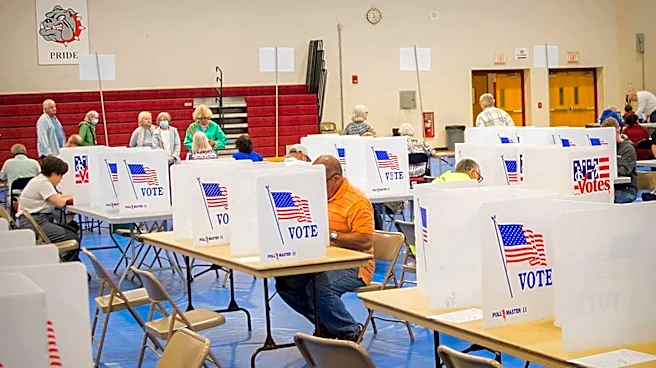
The razor-thin margins in these primary races highlight the competitive nature of local politics in Hawaii and the importance of every single vote. The outcomes of these races could influence the political landscape in Hawaii, particularly in districts where the primary winner is likely to secure the seat in the general election due to lack of opposition. The recounts ensure the accuracy and integrity of the election process, maintaining public trust in the electoral system. These close races also underscore the potential for shifts in political power and policy direction, depending on which candidates ultimately prevail.
What's Next?
With recounts triggered in the House District 43 and Senate District 20 races, election officials will conduct a thorough review of the votes to ensure accuracy. The final results are expected to be released after the recounts are completed. Candidates and their supporters will be closely monitoring the process, and any disputes or challenges could lead to further legal proceedings. The outcomes will determine the candidates who will advance to the general election, where they will face opponents from other parties.