




What's Happening?
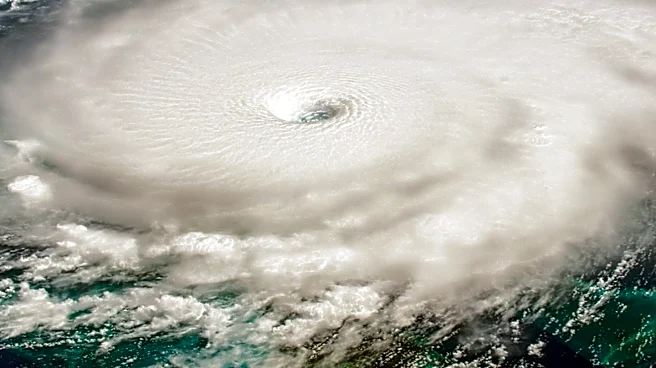
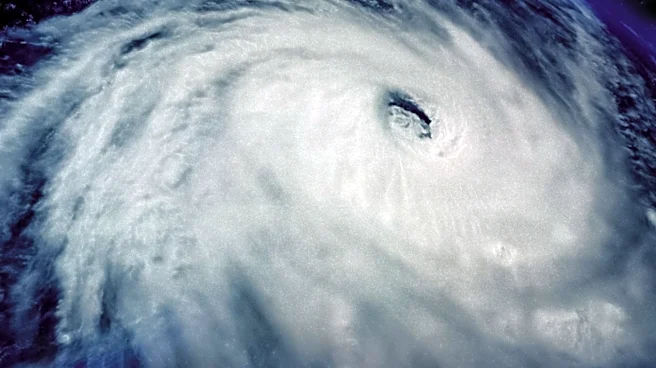
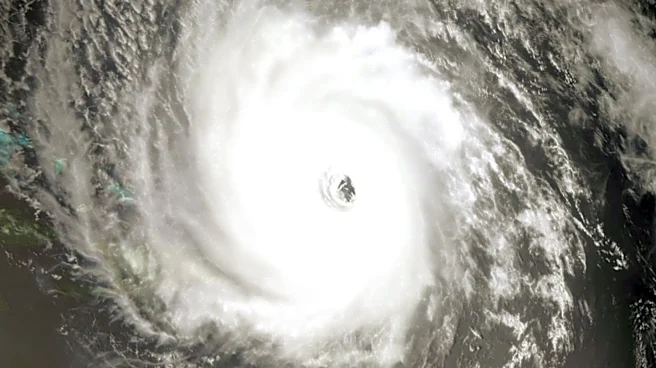
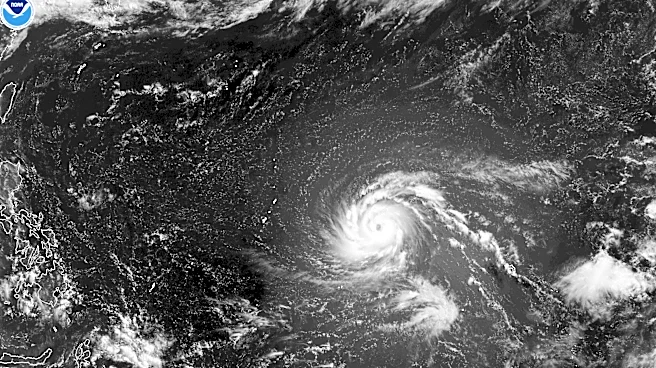
Emergency evacuations are being conducted in Guam and the Northern Mariana Islands as Super Typhoon Bavi approaches. The storm is expected to make landfall with winds reaching up to 257 km/h, posing a significant threat to the US Pacific territories.
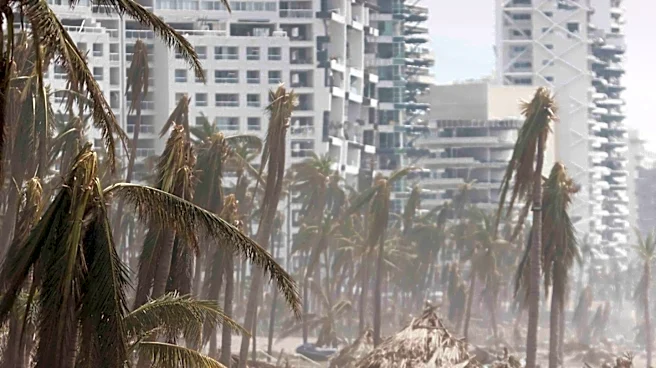
The US National Weather Service has warned of potential catastrophic damage, including significant flooding and high waves. The region is prone to tropical cyclones, and climate change is believed to be increasing the frequency of such powerful storms.
Why It's Important?
The approaching typhoon highlights the increasing threat of severe weather events in the Pacific region, exacerbated by climate change. The potential for catastrophic damage underscores the importance of robust emergency preparedness and response strategies. The economic impact could be substantial, affecting infrastructure, tourism, and local communities. The situation also emphasizes the need for international cooperation in addressing climate change and its effects on vulnerable regions.
What's Next?
As the typhoon approaches, local authorities are urging residents to evacuate vulnerable areas and seek shelter in designated evacuation centers. The response will likely involve coordination between local and federal agencies to ensure the safety of residents and minimize damage. The aftermath of the storm will require significant recovery efforts, including infrastructure repair and support for affected communities.