
What's Happening?
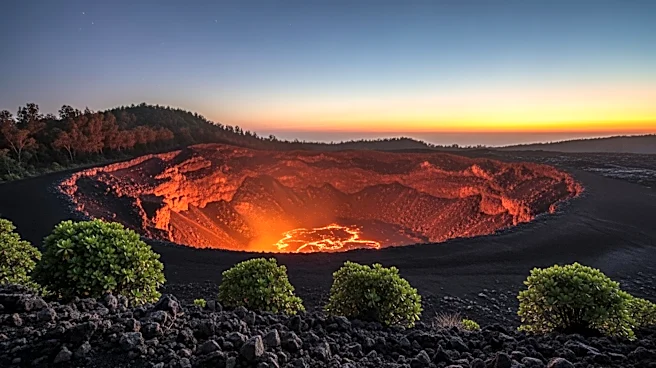
Haleakala, the largest volcano on Maui, is considered an active volcano despite its last eruption occurring between 1480 and 1600. Unlike Kilauea and Mauna Loa, Haleakala does not have a magma chamber
close to the surface, making it difficult to monitor for potential eruptions. The U.S. Geological Survey (USGS) and the Hawaiian Volcano Observatory have indicated that while Haleakala is not as active as other Hawaiian volcanoes, it remains a potential threat. The volcano's eruptions are typically non-explosive, characterized by slow-moving lava flows. The most recent significant lava flow from Haleakala covered parts of the coast between Kanaio and Keoneoio, forming La Perouse Bay. Despite the low probability of an imminent eruption, the Maui Emergency Management Agency has plans in place to respond to any volcanic activity.
Why It's Important?
The potential eruption of Haleakala poses significant risks to Maui's residents and infrastructure. An eruption could lead to lava flows that threaten homes, businesses, and critical infrastructure, particularly in high-risk zones like Kihei to Makena, which is home to over 19,000 people and numerous tourist accommodations. The economic impact could be substantial, with an estimated $8.3 billion in building replacement costs in the affected areas. Additionally, volcanic activity could lead to secondary hazards such as landslides and degraded air quality, which could exacerbate health issues for vulnerable populations. The preparedness and response plans by local agencies are crucial in mitigating these risks and ensuring public safety.
What's Next?
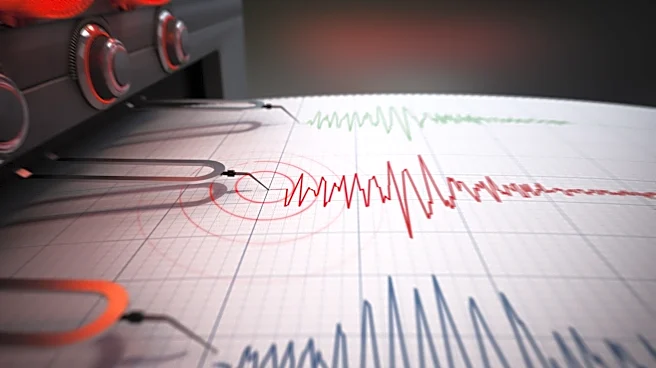
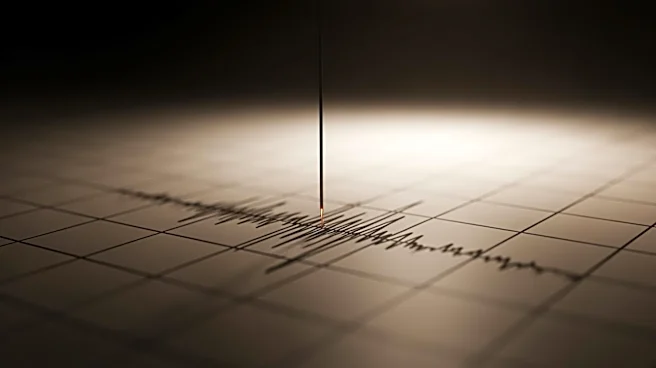
If signs of volcanic activity are detected, the USGS and local agencies will issue warnings and coordinate with Maui County to implement evacuation and safety measures. The Hawaiian Volcano Observatory will monitor seismic activity and ground deformation to provide early warnings. Residents are encouraged to stay informed, prepare emergency supplies, and develop evacuation plans. The Maui Emergency Management Agency will work closely with scientific agencies to communicate timely information and protective actions to the public.
Beyond the Headlines
The potential eruption of Haleakala highlights the broader challenges of living in volcanic regions. It underscores the importance of scientific monitoring and community preparedness in mitigating natural disaster risks. The situation also raises questions about the long-term sustainability of development in high-risk areas and the need for comprehensive hazard mitigation planning. The cultural significance of Haleakala to Native Hawaiians adds another layer of complexity, as traditional knowledge and oral histories play a role in understanding the volcano's behavior.