
What's Happening?
ADNOC CEO Sultan Al Jaber has labeled the disruption of the Strait of Hormuz as 'economic terrorism,' highlighting its significant threat to global energy security. Speaking at Houston's CERAWeek via video from the UAE, Al Jaber emphasized the strategic
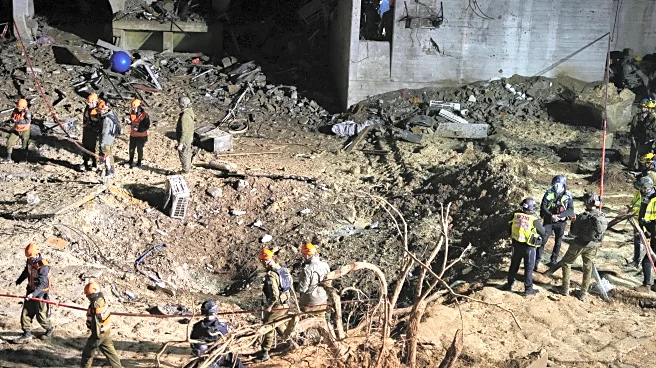
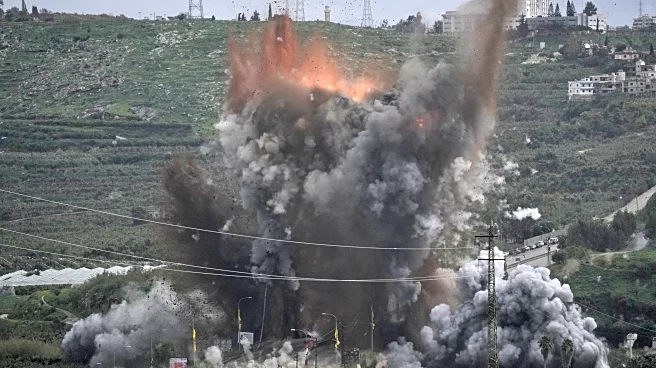
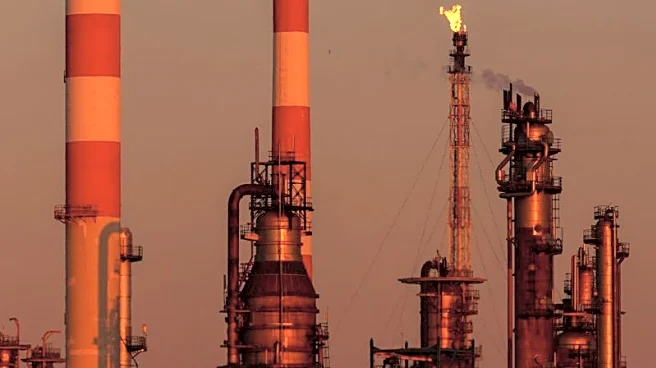
importance of the Strait, through which approximately 20% of the world's oil and gas flows. Recent attacks on regional energy infrastructure and commercial shipping have exacerbated supply route constraints, leading to increased oil prices. Al Jaber noted that the issue is not about resource availability but about ensuring secure and reliable market access. The ongoing regional conflict has affected production, storage, and export logistics across the Gulf, impacting ADNOC operations. Despite these challenges, ADNOC continues to manage output and maintain supply commitments. Gulf producers, including Saudi Arabia, are rerouting crude exports toward the Red Sea due to restricted transit through Hormuz, while storage and logistical bottlenecks are emerging.
Why It's Important?
The disruption of the Strait of Hormuz has far-reaching implications for global energy markets, as it is a critical chokepoint for oil and gas transportation. The increased tension and potential for prolonged disruption could lead to sustained price volatility, affecting economic stability worldwide. Consumers are already facing higher costs, and economic activity is slowing due to these disruptions. The situation underscores the importance of energy security as a foundation for economic stability. The UAE's investments in infrastructure, export route diversification, and digital technologies aim to enhance system resilience. However, the geopolitical tensions necessitate greater international coordination to safeguard supply routes and ensure the reliability of global oil and gas markets.
What's Next?
As geopolitical tensions continue to reshape energy flows, there is a pressing need for international collaboration to protect critical energy corridors like the Strait of Hormuz. The UAE and other Gulf countries may increase investments in alternative export routes and infrastructure to mitigate the impact of such disruptions. Additionally, the global community may need to engage in diplomatic efforts to de-escalate regional conflicts and ensure the stability of energy supplies. The ongoing situation could also prompt further discussions on energy diversification and the development of alternative energy sources to reduce dependency on vulnerable supply routes.