








What's Happening?
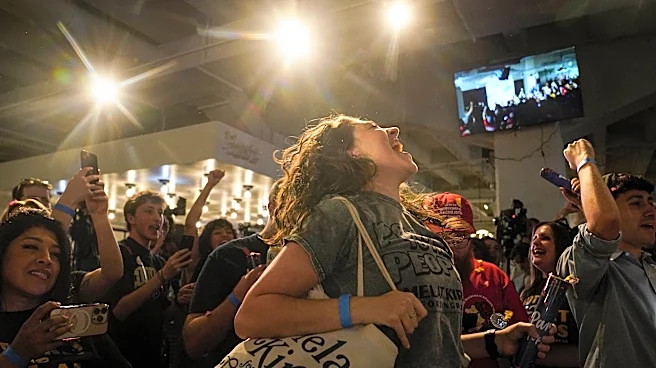
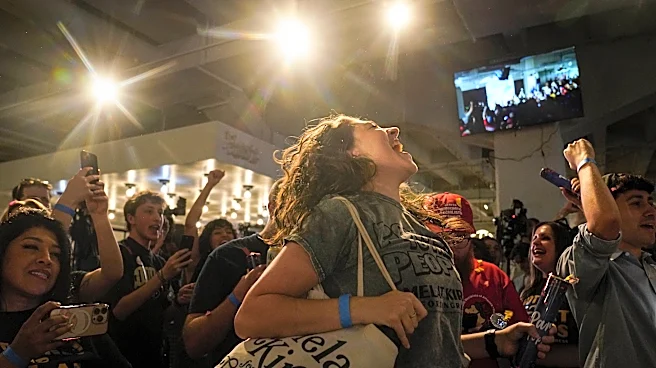
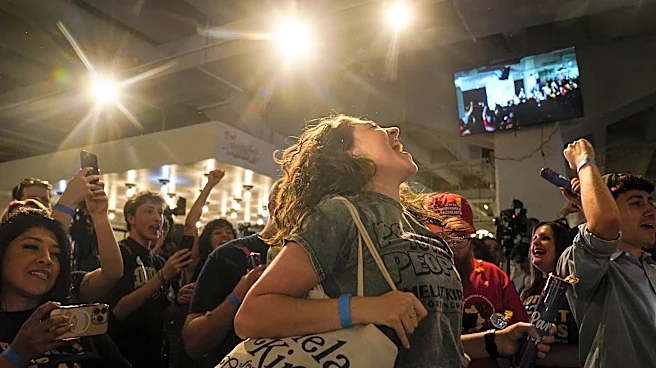
The 2026 midterm election cycle has seen a significant number of incumbent losses in both the Democratic and Republican parties. Notably, Democratic socialist Melat Kiros unseated 15-term Representative Diana DeGette in Colorado's 1st congressional district.
This trend is indicative of broader changes within the political landscape, where many Democratic voters express dissatisfaction with party leadership's response to President Trump's second term. On the Republican side, several incumbents who have clashed with President Trump have lost renomination, as Trump has actively supported primary challengers. This includes Senator Bill Cassidy of Louisiana and Senator John Cornyn of Texas, both of whom lost to Trump-endorsed challengers. The primary season has highlighted a generational and ideological shift, with progressive candidates gaining ground in traditionally moderate districts.
Why It's Important?
The wave of incumbent losses in the 2026 primaries underscores a growing divide within both major U.S. political parties. For Democrats, the rise of progressive challengers reflects a demand for more aggressive opposition to President Trump's policies. This shift could lead to a more left-leaning Democratic agenda in Congress. For Republicans, the influence of President Trump remains strong, as his endorsements have significantly impacted primary outcomes. This suggests a continued alignment of the Republican Party with Trump's policies and political style. The changes in party dynamics could affect legislative priorities and the overall political climate in the U.S., potentially leading to more polarized and contentious political discourse.
What's Next?
As the primary season continues, more incumbents may face challenges from within their parties. The outcomes of these primaries could further reshape the composition of Congress, with potential implications for upcoming legislative sessions. Political analysts will be closely watching key races, such as those in Michigan and Missouri, where progressive challengers are vying for seats. The results of these contests could influence party strategies and the balance of power in Congress. Additionally, the general election in November will determine how these primary shifts translate into electoral success, potentially setting the stage for future political battles.