





What's Happening?
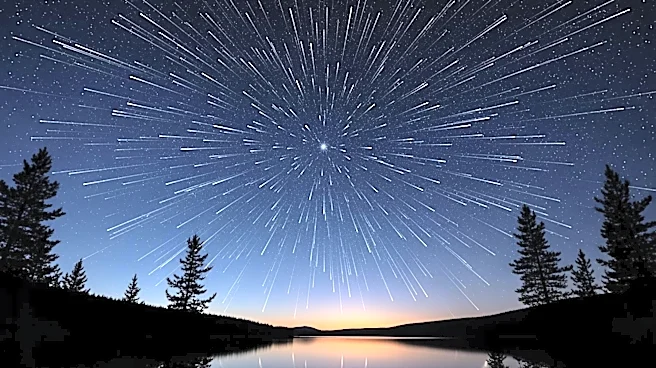
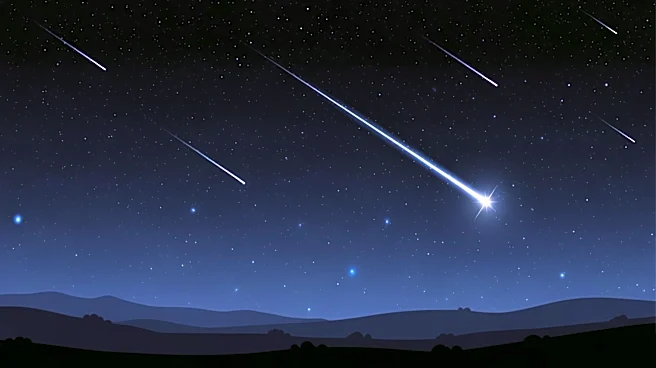
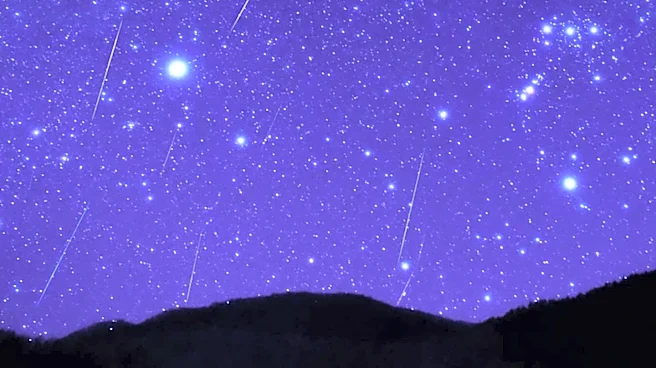
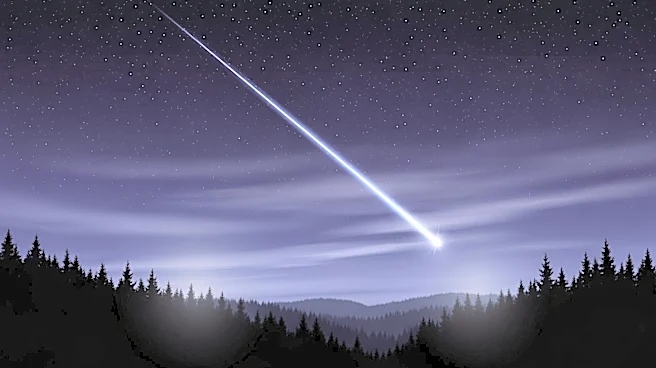
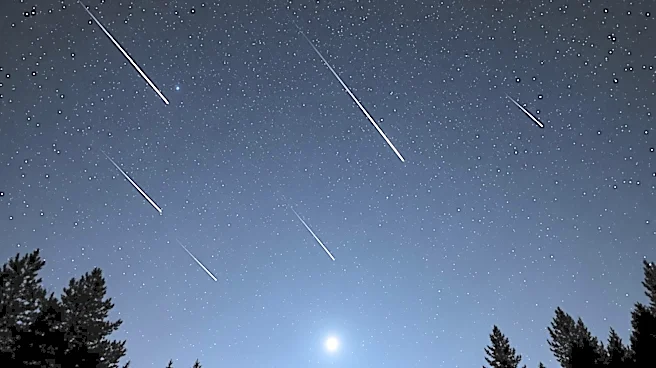
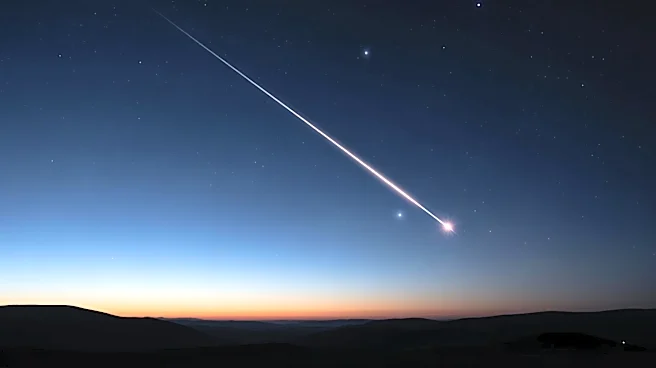
The Lyrid meteor shower is set to peak on April 22, offering a celestial display with minimal interference from moonlight. The best viewing time is in the early morning hours after the Moon sets, around 1:30 A.M. local daylight time, when the sky is darkest.
The shower's radiant, located near the bright star Vega in the constellation Lyra, will be high in the eastern sky. Observers can expect to see up to 20 meteors per hour. These meteors are remnants of comet C/1861 G1 (Thatcher), which orbits the Sun every 400 years. Additionally, the Moon will pass 4° north of Jupiter in Gemini, visible in the west after sunset.
Why It's Important?
Meteor showers like the Lyrids offer a unique opportunity for public engagement with astronomy, sparking interest in celestial events and the science behind them. The event is significant for amateur astronomers and the general public, providing a chance to witness a natural phenomenon that connects people to the broader universe. The minimal moonlight interference this year enhances visibility, making it an ideal time for educational outreach and community stargazing events.
What's Next?
Following the Lyrid meteor shower, astronomy enthusiasts can look forward to other celestial events throughout the year. These include the Eta Aquarids in May and the Perseids in August, both of which are popular for their high meteor counts. Local astronomy clubs and observatories may organize viewing events, providing telescopes and expert guidance to enhance the experience.