

What's Happening?
The ongoing conflict in Iran is posing a significant threat to the global food supply, potentially surpassing the disruptions caused by Russia's invasion of Ukraine in 2022. According to a report by Financial Times, the crisis is affecting energy, transportation,
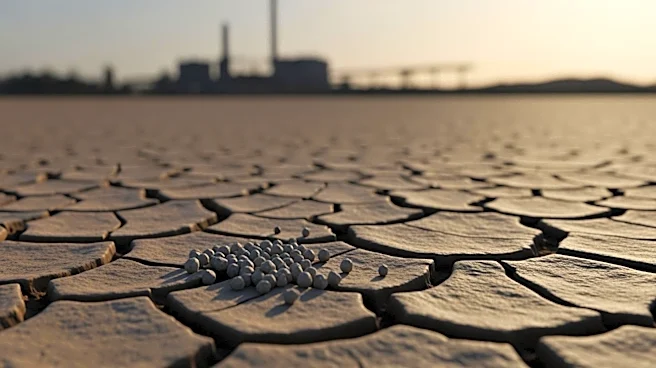
and fertilizer markets, which are crucial for agricultural production. The Gulf region, a key player in global fertilizer markets, has seen production halts and shipment disruptions, leading to increased global prices. This situation is already causing rising food prices in Africa and concerns for the planting season in Asia and the United States. The disruption is expected to have a widespread impact, affecting both farmers and consumers worldwide.
Why It's Important?
The potential global food crisis could have severe implications for both developed and developing countries. For poorer nations that rely heavily on imports of fertilizer and fuel, the situation could exacerbate existing food insecurity issues. The increase in food prices could lead to economic instability and social unrest in vulnerable regions. In the United States, the agricultural sector may face challenges in maintaining production levels, which could impact food availability and prices domestically. The crisis underscores the interconnectedness of global supply chains and the vulnerability of food systems to geopolitical conflicts.
What's Next?
As the situation develops, countries may need to explore alternative sources for fertilizers and energy to mitigate the impact on food production. International cooperation and policy interventions could be necessary to stabilize markets and ensure food security. Monitoring the situation closely will be crucial for governments and international organizations to respond effectively to prevent a full-blown crisis.