







What's Happening?
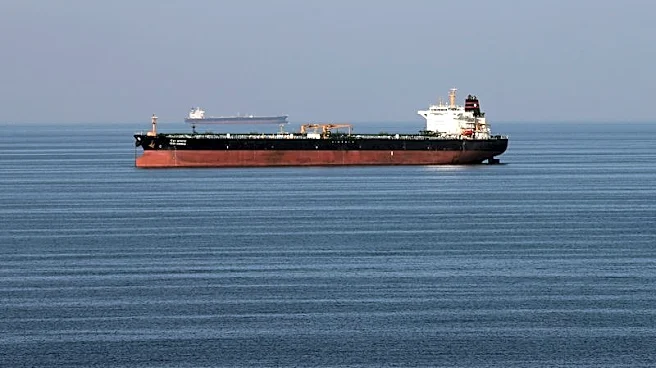
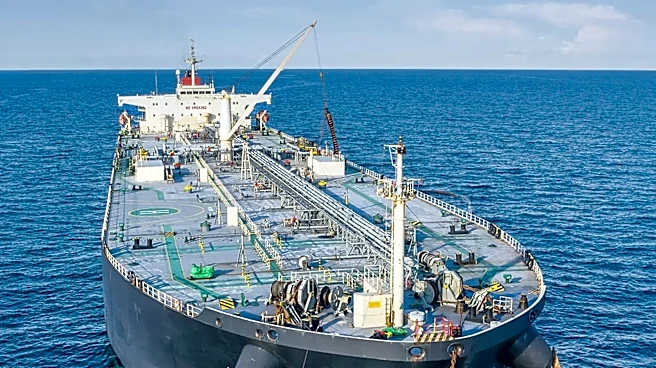
The U.S. Vice President, JD Vance, has requested Ukrainian President Volodymyr Zelensky to cease attacks on Russian oil tankers. This request comes amid concerns that such actions could destabilize global oil markets and negatively impact American business
interests. The attacks have been targeting tankers transporting oil from Kazakhstan to the Russian port of Novorossiysk. The U.S. administration views the Caspian Pipeline Consortium as a critical energy channel for European markets, providing an alternative to Russian energy supplies. In response to the request, Ukraine has agreed to halt these attacks, as it seeks to maintain good relations with the U.S. and secure necessary military support, including Patriot missile systems.
Why It's Important?
The decision to halt attacks on oil tankers is significant for global oil market stability. The Caspian Pipeline Consortium is a vital route for transporting oil to Europe, and disruptions could lead to increased oil prices and supply shortages. For the U.S., maintaining stable oil markets is crucial for economic stability and protecting the interests of American companies like Chevron and ExxonMobil, which have significant stakes in the consortium. Additionally, Ukraine's compliance with the U.S. request underscores the strategic importance of U.S.-Ukraine relations, particularly in the context of military aid and geopolitical alliances.
What's Next?
Following Ukraine's agreement to cease attacks, it is expected that the U.S. will continue to support Ukraine with military aid, including the provision of Patriot missile systems. This development may also lead to further diplomatic engagements between the U.S., Ukraine, and other stakeholders to ensure the stability of energy supplies. The situation will likely be monitored closely by international markets and governments to assess the impact on oil prices and geopolitical dynamics.