







What's Happening?
California voters have approved Proposition 1, a significant housing bond measure that authorizes the state to sell $11.25 billion in bonds. The primary purpose of these bonds is to fund the construction of affordable housing across California. A specific
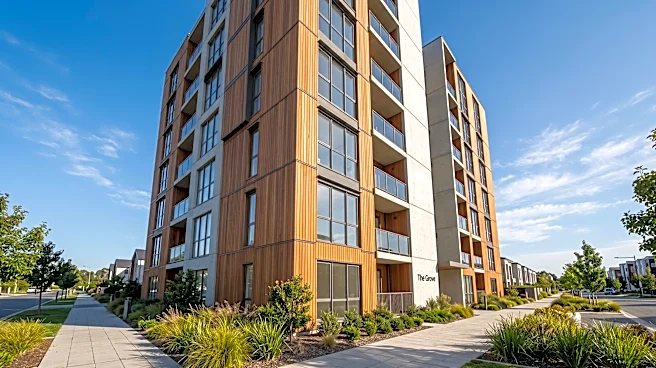
allocation of $1.25 billion from this total is earmarked for veteran housing initiatives. This measure comes as California continues to grapple with a severe housing crisis, characterized by high housing costs and a shortage of affordable units. The passage of Proposition 1 reflects a public mandate for increased state investment in addressing these challenges. The funds are intended to stimulate the development of new housing projects, provide financial assistance for housing programs, and ultimately increase the availability of affordable homes for a wide range of residents, including veterans.
Why It's Important?
The approval of Proposition 1 is a critical step in California's ongoing efforts to combat its housing crisis, which has profound economic and social implications. The $11.25 billion investment is one of the largest state-level commitments to affordable housing in recent history, signaling a robust response to a problem that affects millions of Californians. By increasing the supply of affordable housing, the measure aims to alleviate pressure on housing markets, reduce homelessness, and improve the quality of life for low- and middle-income residents. The specific allocation for veteran housing also addresses a critical need within that community. This bond measure could serve as a model for other states facing similar housing challenges, demonstrating a significant governmental intervention to address market failures in housing supply. Its success will be measured by its ability to tangibly increase housing units and make them accessible to those most in need.
What's Next?
Following the approval of Proposition 1, the state of California will proceed with the issuance and sale of the authorized bonds. The funds generated will then be allocated to various housing programs and projects across the state. State agencies responsible for housing and community development will likely begin developing detailed plans for how these funds will be distributed, including criteria for project eligibility and application processes for developers and housing organizations. There will be a focus on ensuring that the funds are used efficiently and effectively to maximize the creation of affordable housing units. The implementation phase will involve collaboration between state and local governments, non-profit organizations, and private developers. The impact of this measure will be closely monitored, with expectations for a gradual increase in affordable housing stock over the coming years.
Beyond the Headlines
The passage of Proposition 1 highlights a broader societal recognition of housing as a fundamental right and a critical component of economic stability. Beyond simply building more units, this investment could stimulate innovation in affordable housing construction, potentially leading to more sustainable and cost-effective building methods. It also underscores the role of public financing in addressing market failures where private developers may not find it profitable to build low-cost housing. The measure could also influence land-use policies and zoning regulations at the local level, encouraging communities to facilitate the development of affordable housing projects. Long-term, the success of Proposition 1 could lead to a reduction in housing-related displacement, improve public health outcomes, and foster greater social equity across California, demonstrating the profound impact of large-scale public investment in social infrastructure.