
What's Happening?
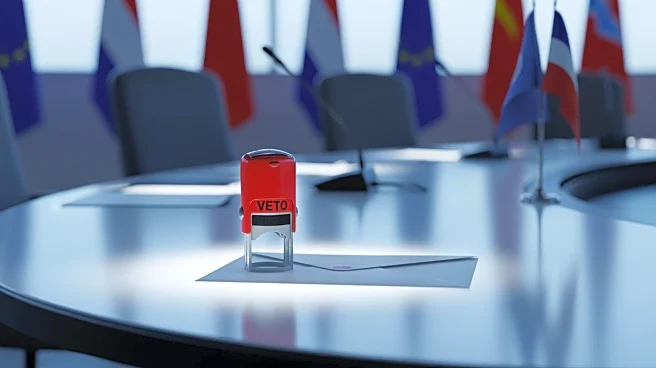
European Union leaders have expressed strong disapproval of Hungarian Prime Minister Viktor Orbán for his decision to veto a critical loan package intended for Ukraine. The leaders accuse Orbán of using the situation as a political tool to bolster his election
campaign. The EU had previously agreed to provide a 90-billion-euro loan to support Ukraine's military and economic needs, a decision Orbán initially supported. However, he has since blocked the loan, citing domestic political reasons and portraying Ukrainian President Volodymyr Zelenskyy as a threat to Hungary. This move has drawn criticism from other EU leaders, who emphasize the importance of unity and reliability within the bloc.
Why It's Important?
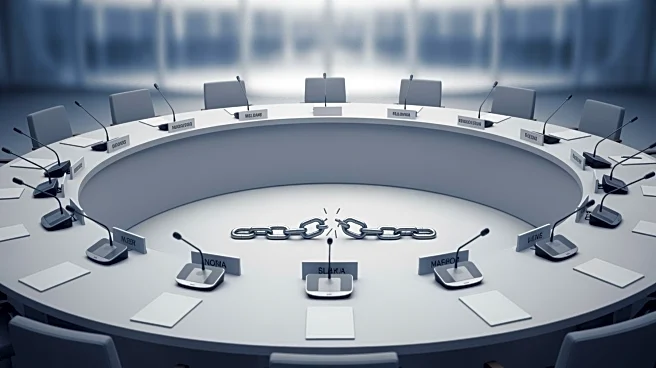
The standoff between Hungary and the rest of the EU highlights significant challenges in the bloc's decision-making processes, which often require unanimous consent. Orbán's actions could delay much-needed financial support to Ukraine, potentially impacting its ability to sustain its economy and military efforts. The situation also underscores the geopolitical tensions within Europe, as Hungary's reliance on Russian energy and its political alignment with President Trump complicate its relationships with other EU members. The outcome of this dispute could influence EU policies on energy dependency and its approach to supporting Ukraine amid ongoing conflicts.
What's Next?
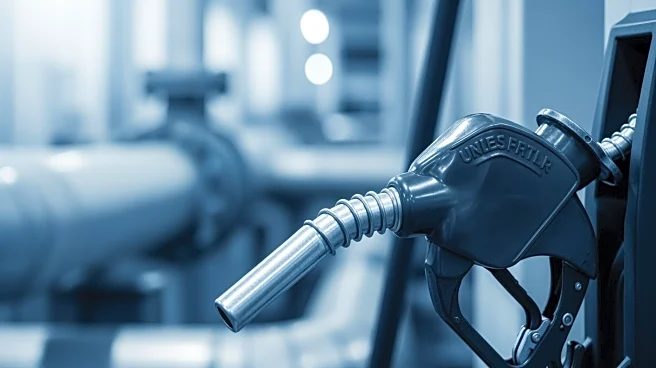
EU leaders are working to resolve the deadlock, with European Commission President Ursula von der Leyen and European Council President Antónia Costa proposing to fund repairs to the Druzhba pipeline, which is crucial for oil deliveries to Hungary. An EU technical team is set to inspect the pipeline damage in Ukraine. However, Orbán remains firm in his stance, linking the loan approval to the resumption of oil shipments. The EU must navigate these complex negotiations to ensure timely support for Ukraine while addressing Hungary's energy concerns.