








What's Happening?
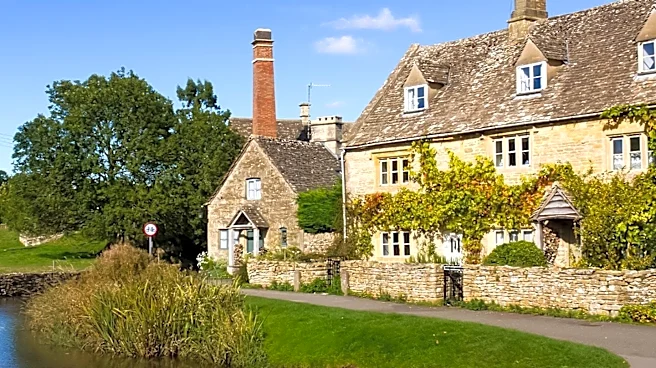
A three-bedroom semi-detached cottage in Swardeston, Norfolk, is on the market with a guide price of £325,000 - £375,000. The property, dating back to the 1830s, is situated in a picturesque location overlooking the village common and cricket ground.
It features period charm with modern amenities, including an open-plan kitchen and dining room with exposed timber beams and a cast-iron wood burner. The first floor comprises two double bedrooms and a period-style bathroom, while the principal bedroom occupies the entire second floor, offering elevated views. The property's garden area is part of the historic village common, ensuring its open aspect cannot be developed. However, the enclosed rear garden and driveway, while enjoyed by current owners, are not included in the property's legal title, a detail prospective purchasers are advised to clarify through legal representatives.
Why It's Important?
This property sale highlights the unique aspects of land ownership and historical common land rights in the UK, which can have implications for property transactions and development. The fact that the garden and driveway are part of the village common, and thus not legally owned by the property holder, presents a distinct legal consideration for potential buyers. This situation underscores the importance of thorough due diligence in property purchases, especially for historic properties with unconventional land arrangements. For the local community, the preservation of the common land's open aspect is significant, maintaining the village's character and preventing overdevelopment. The sale also reflects the enduring appeal of historic properties in desirable village locations, which often command premium prices due to their unique charm and setting.
What's Next?
Prospective purchasers will need to engage their legal representatives to fully understand the nature of the rights of use and occupation for the garden and driveway, as these areas are part of the village common and not included in the property's legal title. This clarification will be a crucial step before any sale can be finalized. The property is expected to attract significant interest due to its desirable location and historic character, making it likely that offers will be made within or above the guide price. The sale process will also involve standard procedures such as council tax band assessment by South Norfolk Council and verification of utility connections, including mains water, drainage, electricity, and gas-fired central heating.
Beyond the Headlines
The situation with the garden and driveway being part of the village common touches upon the broader historical context of common land in the UK. Common land has a long and complex history, often involving shared rights and traditional uses that predate modern property law. This case illustrates how these historical arrangements can intersect with contemporary real estate transactions, creating unique legal challenges and opportunities. It also raises questions about the balance between individual property rights and communal land use, and how these are managed in areas with rich historical legacies. The preservation of the common's open aspect, even through such an arrangement, reflects a cultural value placed on maintaining traditional landscapes and community spaces against development pressures.