






What's Happening?
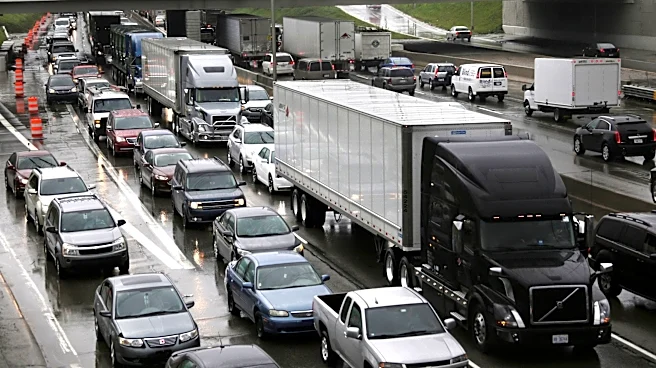
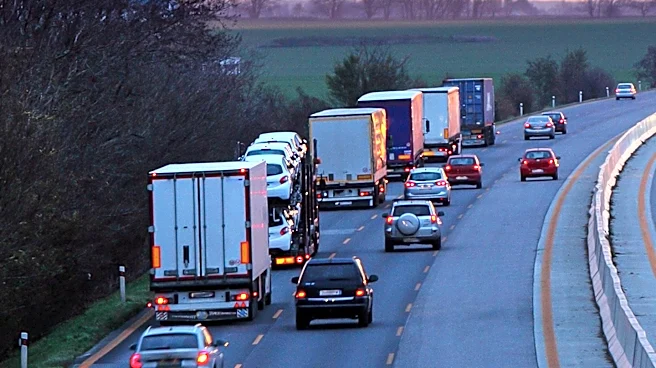
Two separate semi-trailer crashes caused significant traffic disruptions on Interstate 94 in downtown St. Paul during the overnight and early morning hours. The incidents occurred less than four hours apart in nearly the same eastbound location, near the Wabasha
Street bridge, though the Minnesota State Patrol confirmed they were unrelated. The first crash, around 12:30 a.m., involved a 41-year-old driver from Blaine whose semi jackknifed; the driver was not injured. The second incident, just before 4 a.m., saw a 38-year-old driver from Anoka lose control, causing his semi to jackknife and roll onto its side, blocking part of the freeway. This driver also sustained no injuries but received a citation for careless driving. Despite the early morning snarls, all eastbound lanes of I-94 were fully reopened before the main morning rush hour. Both crashes are currently under investigation.
Why It's Important?
These incidents highlight the vulnerability of urban transportation arteries to disruptions caused by large vehicle accidents. Interstate 94 is a critical corridor for commuters and commercial traffic in the Twin Cities metropolitan area, and even temporary closures can have cascading effects on local businesses, supply chains, and individual schedules. The fact that both crashes involved semi-trucks underscores the potential for significant road blockages and the challenges emergency services face in clearing such large vehicles. While no serious injuries were reported, these events serve as a reminder of the safety risks associated with commercial trucking and the importance of driver vigilance, especially during early morning hours. The quick reopening of the lanes before peak commute times mitigated a potentially much larger economic and logistical impact, demonstrating effective response by authorities.
What's Next?
Both semi-truck crashes remain under investigation by the Minnesota State Patrol. The investigations will likely focus on determining the exact causes of each incident, which could include factors such as driver fatigue, vehicle malfunction, road conditions, or other contributing elements. Depending on the findings, there could be further legal or regulatory actions, particularly for the driver cited for careless driving. Authorities may also review traffic management protocols and emergency response procedures to identify any areas for improvement in handling similar future incidents. For commuters and commercial drivers, these events serve as a cautionary tale, emphasizing the need for heightened awareness and safe driving practices on busy urban interstates. No specific changes to traffic patterns or infrastructure have been announced, but ongoing monitoring of accident hotspots is typical.
Beyond the Headlines
The recurrence of semi-truck incidents in close proximity on a major interstate raises broader questions about road safety and the increasing volume of commercial traffic. While individual incidents are often attributed to specific driver actions or conditions, a pattern could suggest systemic issues such as inadequate rest stops, pressure on delivery schedules, or infrastructure limitations. The economic reliance on efficient freight transport means that disruptions, even minor ones, can have ripple effects on local economies. This situation could prompt discussions among transportation planners, logistics companies, and policymakers about strategies to enhance safety for large vehicles on urban highways, potentially including stricter enforcement of driving regulations, improved driver training, or technological solutions to prevent accidents. It also subtly highlights the often-unseen efforts of emergency responders and road crews who work to quickly restore normalcy after such events, minimizing their impact on daily life.