


What's Happening?
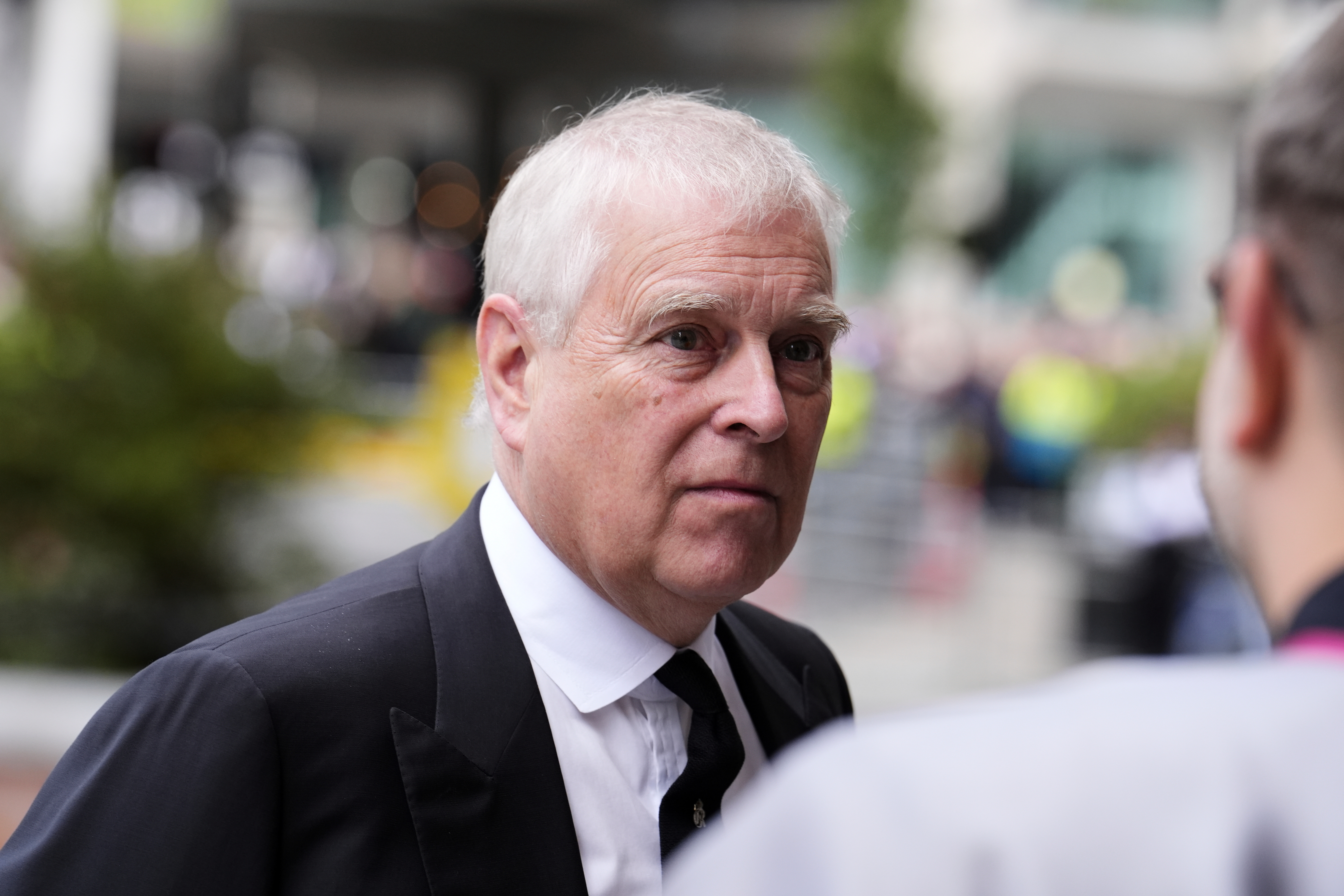
Activists from the group 'Everyone Hates Elon' displayed a photograph of Andrew Mountbatten-Windsor, formerly Prince Andrew, inside the Louvre in Paris. The image, taken after his recent arrest on suspicion of misconduct in public office, was part of a protest
demanding justice for survivors of Jeffrey Epstein's crimes. The photograph, framed and captioned 'He's Sweating Now — 2026,' was displayed for 15 minutes before being removed by museum staff. The protest follows Andrew's arrest on his 66th birthday, amid allegations of sharing confidential UK government documents with Epstein. The US Justice Department has released emails suggesting Andrew shared reports from official trade visits with Epstein in 2010. Andrew has denied any wrongdoing and has not been charged.
Why It's Important?
This protest highlights the ongoing public demand for accountability and justice in the wake of the Epstein scandal. The use of a high-profile venue like the Louvre underscores the global attention and outrage surrounding the case. The incident also reflects broader societal calls for transparency and justice for victims of sexual abuse and exploitation. The protest serves as a reminder of the enduring impact of Epstein's crimes and the need for continued vigilance in holding those connected to him accountable. The display of Andrew's arrest photo in such a symbolic location emphasizes the cultural and historical significance of the case, as well as the public's role in demanding justice.
Beyond the Headlines
The protest at the Louvre raises questions about the role of art and public spaces in activism and social justice movements. By choosing a renowned cultural institution, the activists aimed to draw attention to the issue in a way that resonates with a global audience. This action also highlights the intersection of art, politics, and social justice, demonstrating how cultural symbols can be repurposed to convey powerful messages. The incident may inspire similar acts of protest and raise awareness about the potential of art as a tool for advocacy and change.