







What's Happening?
Researchers at Umeå University in northern Sweden are conducting a study to understand and mitigate the effects of heatwaves on the mental well-being of older adults living in their homes. The project, led by Professor Weizhuo Lu, director of the Intelligent
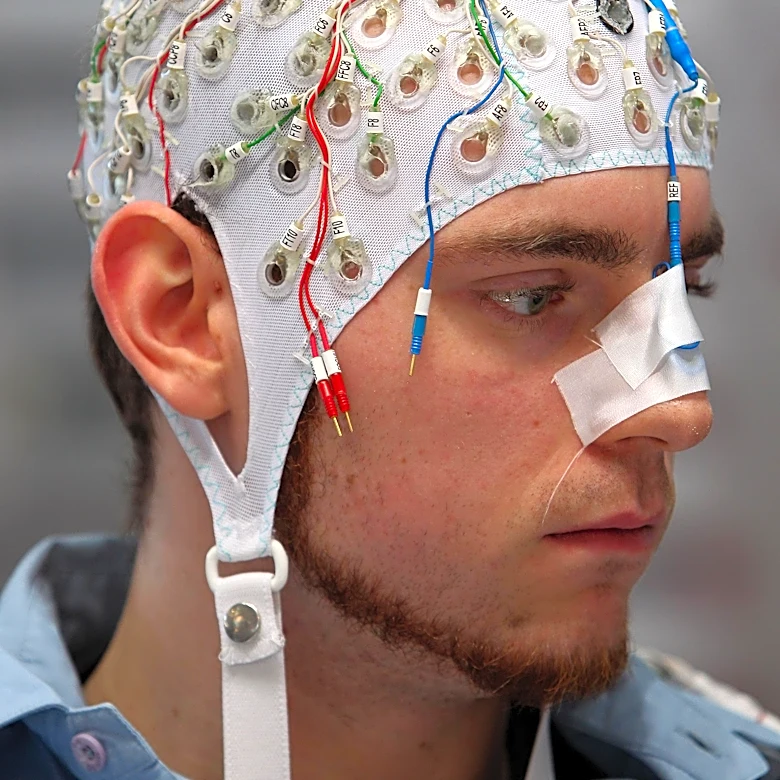
Human-Buildings Interaction Lab (IHBI), has received nearly SEK 9 million from Formas, the Swedish research council for sustainable development. The IHBI utilizes a climate chamber and virtual environments designed to replicate ordinary homes, allowing researchers to control indoor climates while participants experience realistic settings. The lab is also equipped with physiological sensors and brain activity monitoring equipment, which, combined with personal accounts, helps investigate the links between indoor heat, physiological responses, stress, fatigue, and mental well-being. The study specifically addresses the challenge of adapting homes in northern Sweden, traditionally built to retain warmth, to cope with increasing summer heat.
Why It's Important?
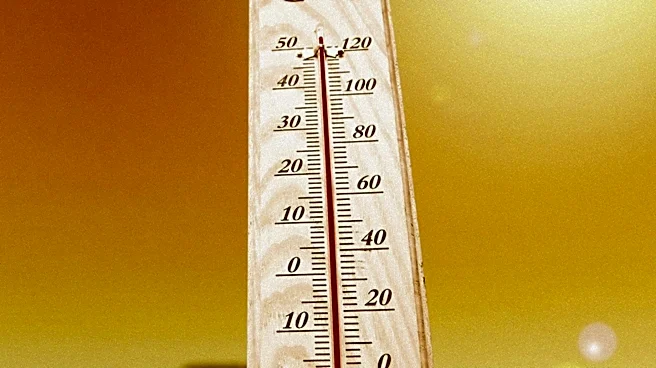
This research is crucial for public health, particularly as global temperatures rise and heatwaves become more frequent and intense. Older adults are a vulnerable population, and understanding how heat affects their sleep, mood, and daily coping abilities is vital. The study's focus on housing conditions, mobility, financial resources, and social support highlights the multifaceted nature of heat vulnerability. The findings will provide practical guidance for individuals, municipalities, and housing organizations on effective climate adaptation measures, such as solar shading and ventilation, and everyday strategies for managing indoor heat. This proactive approach can help prevent heat-related health issues and improve the quality of life for older adults, ensuring their homes remain safe and comfortable during extreme weather events.
What's Next?
The project aims to develop practical guidance based on its findings. This advice will be created in collaboration with older people, their relatives, senior citizens' organizations, and Umeå Municipality. The goal is to empower residents to make informed choices regarding home adaptations and to support local authorities and housing providers in planning and implementing accessible and effective climate adaptation strategies. The research methodology, which combines building research, psychology, and neuroscience, is expected to provide a robust foundation for understanding heat's effects and evaluating interventions. The results will contribute to a broader understanding of how to protect vulnerable populations from the health impacts of a warming climate.
Beyond the Headlines
The study touches upon the broader societal challenge of climate change adaptation, particularly in regions not traditionally associated with extreme heat. The focus on individual homes and the well-being of older adults underscores the need for localized and human-centric solutions to global environmental problems. It also highlights the interdisciplinary nature of climate research, integrating engineering, psychology, and neuroscience to address complex issues. The project's emphasis on co-creating solutions with the affected community—older people and their support networks—suggests a model for inclusive and effective public health interventions in the face of climate change. This approach could serve as a blueprint for other communities facing similar challenges.