






What's Happening?
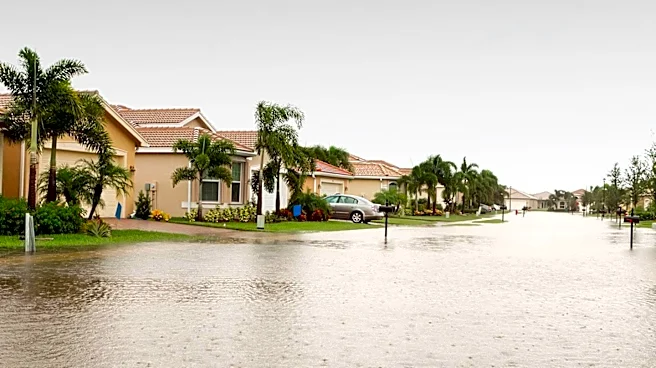
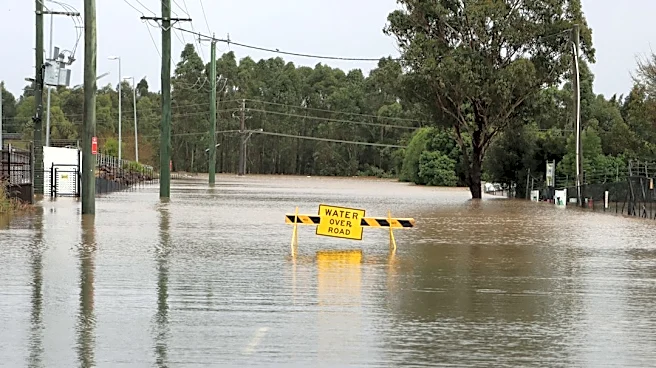
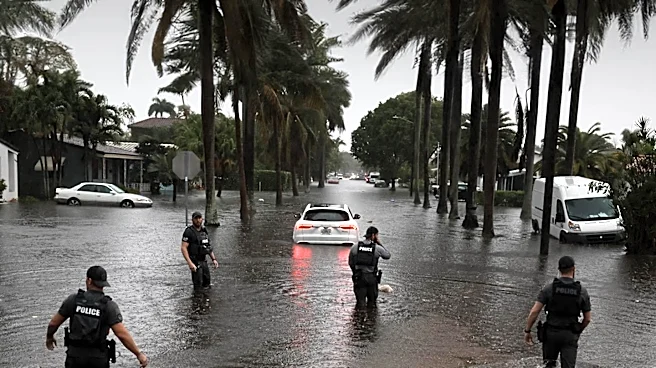
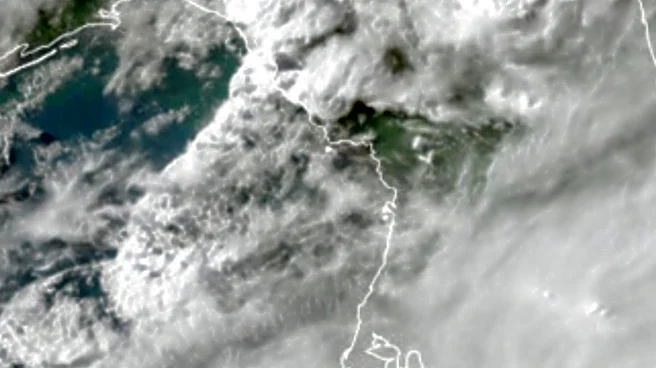
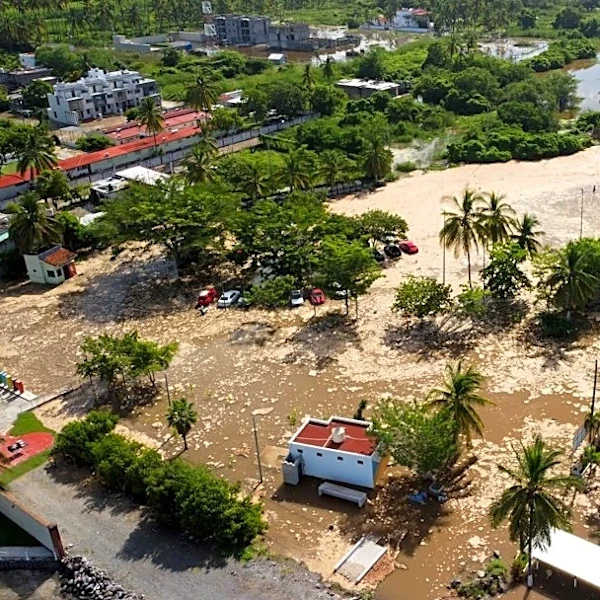
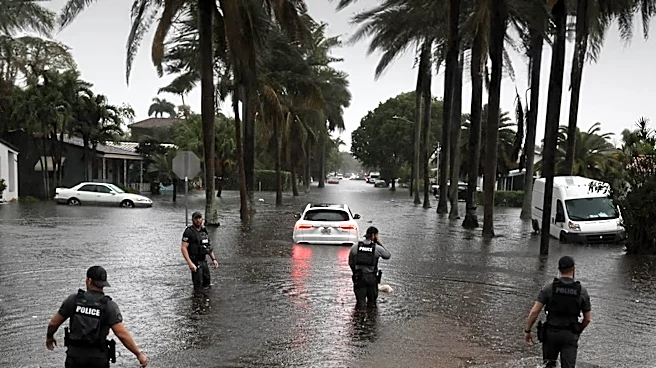
The St. Johns River in Central Florida is under a significant flood threat, days after parts of Brevard County received over 22 inches of rainfall. Areas like Grant-Valkaria and Malabar recorded more than two feet of rain, leading to widespread flooding.
Despite the cessation of heavy rainfall, runoff continues to flow into the region's drainage systems, retention ponds, and canals, eventually making its way to the St. Johns River Basin. Due to the river's slow flow—dropping less than 30 feet over its 300-mile length—water moves downstream very gradually. This characteristic means that elevated water levels and potential flooding along the St. Johns River could persist for an extended period, even after the initial storms have passed.
Why It's Important?
The prolonged flood threat to the St. Johns River has significant implications for communities along its banks in Central Florida. The slow-moving nature of the river means that floodwaters will recede slowly, potentially extending the period of disruption and damage. This situation can lead to continued road closures, property damage, and health concerns from stagnant water. For residents and businesses, this translates to prolonged displacement, economic losses, and increased recovery costs. The event underscores the challenges faced by regions with unique hydrological characteristics when confronted with extreme rainfall, highlighting the need for tailored flood management strategies that account for the specific dynamics of local river systems.
What's Next?
As runoff from the historic rainfall continues to enter the St. Johns River, water levels are expected to remain elevated, and some communities could experience flooding for several more days. Local authorities and emergency services will likely continue to monitor river levels closely and issue advisories or evacuation orders as needed. Residents in affected areas should prepare for potential ongoing flooding and follow official guidance. This event may also prompt discussions about long-term water management solutions for the St. Johns River basin, including improvements to drainage infrastructure and strategies to manage runoff from increasingly intense rainfall events. The focus will be on mitigating further damage and supporting recovery efforts.
Beyond the Headlines
The situation with the St. Johns River highlights a critical aspect of flood dynamics: the impact of a river's geomorphology on flood duration and severity. The river's extremely gradual slope, while contributing to its unique ecosystem, also makes it particularly vulnerable to prolonged flooding after heavy rainfall. This event could serve as a case study for understanding how different river systems respond to extreme weather and inform future flood preparedness and mitigation efforts in similar low-gradient river basins across the U.S. It also brings to light the complex relationship between urban development, natural drainage systems, and the increasing frequency of extreme weather, urging a more integrated approach to environmental and urban planning.