




What's Happening?
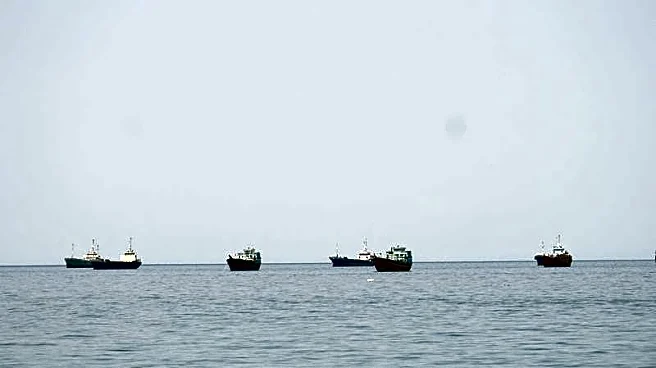
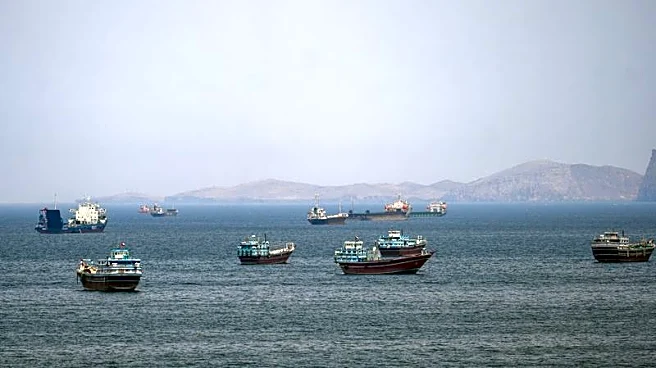
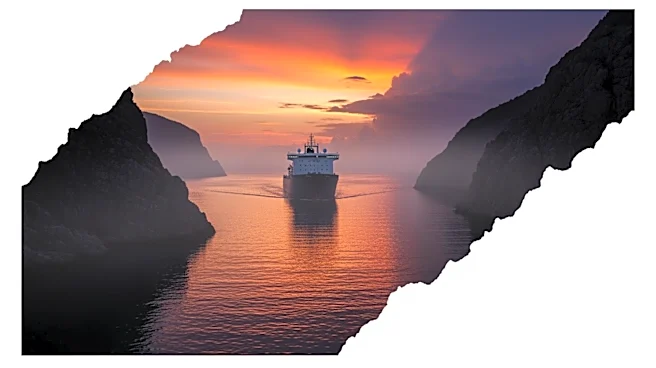
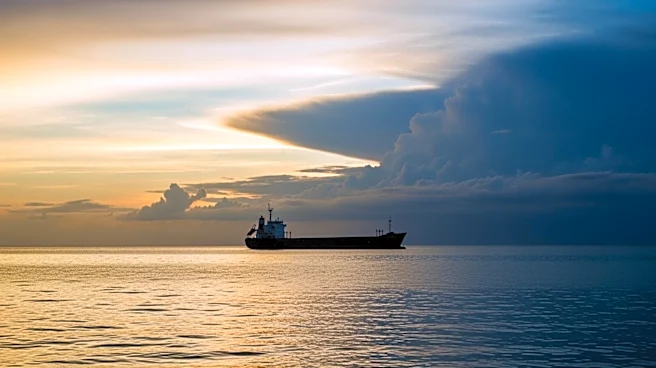
Approximately 20,000 sailors are currently stranded in the Persian Gulf due to ongoing conflict and attacks in the Strait of Hormuz. The situation has left crews on hundreds of vessels, including oil and gas tankers, unable to pass through this critical
waterway. The conflict has resulted in a significant reduction in the number of ships transiting the strait, with only 80 vessels passing through in a recent week compared to the usual 130 or more per day. The International Maritime Organization has called for a safe corridor for commercial vessels, but the blockade remains largely in place. The situation is exacerbated by reports of drone and missile sightings, supply shortages, and growing uncertainty among the crews, many of whom are experiencing fear and isolation.
Why It's Important?
The stranding of seafarers in the Persian Gulf has significant implications for global trade, as the Strait of Hormuz is a vital passage for about a fifth of the world's oil and liquefied natural gas. The blockade and ongoing conflict threaten to disrupt supply chains and contribute to inflationary pressures, reminiscent of those experienced during the COVID-19 pandemic. The situation also highlights the vulnerability of seafarers, who are often caught in geopolitical conflicts despite being essential to global commerce. The prolonged stranding could lead to a shortage of skilled maritime labor, as fewer individuals may be willing to work in such high-risk environments.
What's Next?
The future remains uncertain as the conflict continues, with the U.S. maintaining a blockade of Iranian ports and Iran responding with aggressive actions in the strait. The International Maritime Organization and other stakeholders are advocating for a resolution that would allow for safe passage of commercial vessels. However, until a stable ceasefire or diplomatic solution is reached, the risk of further attacks and disruptions remains high. Shipping companies and maritime unions are likely to continue pressing for international intervention to ensure the safety and well-being of stranded seafarers.
Beyond the Headlines
The current crisis in the Persian Gulf underscores the broader challenges faced by the maritime industry, including the need for better protection and support for seafarers in conflict zones. It also raises questions about the long-term sustainability of global shipping routes that pass through politically volatile regions. The situation may prompt a reevaluation of maritime security protocols and the development of alternative routes to mitigate similar risks in the future.