








What's Happening?
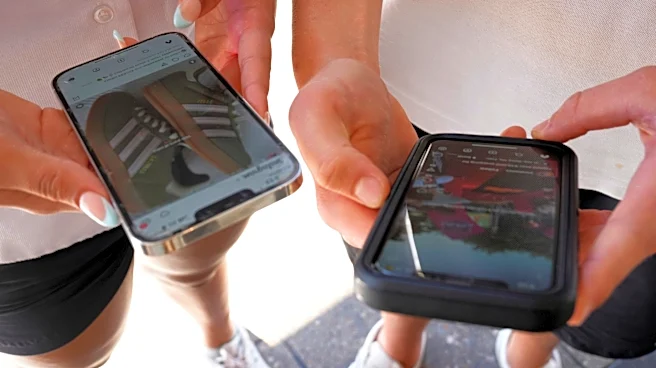
In recent months, cities across the United States have experienced a surge in 'teen takeovers,' where large groups of teenagers gather in public spaces, often leading to chaos and criminal activity. These gatherings, organized through social media, have resulted
in incidents such as fights, robberies, and even shootings. In response, law enforcement agencies are intensifying efforts to monitor and manage these events. For instance, in Washington, DC, officials declared a public emergency and implemented curfew zones to prevent large gatherings of teens after 8 p.m. The DC Metro Police have also increased their presence at these events to reduce the likelihood of violence. Similar measures are being taken in other cities like Orlando and New York, where authorities are working to preemptively identify and disrupt these gatherings.
Why It's Important?
The rise of teen takeovers poses significant challenges for public safety and community relations. These events not only disrupt local businesses and communities but also strain police resources. The gatherings highlight the role of social media in organizing large-scale events, raising questions about the responsibility of platforms in monitoring content that could lead to public disorder. The situation underscores the need for effective youth engagement strategies and community programs to provide alternatives to such gatherings. Additionally, the response to these events could set precedents for how law enforcement handles similar situations in the future, balancing the need for public safety with the rights of young people.
What's Next?
As summer approaches, when school is out and crime rates typically rise, authorities are likely to continue and possibly expand their efforts to manage teen takeovers. This could involve increased surveillance of social media platforms and more stringent enforcement of curfews and public gathering laws. Community leaders and policymakers may also push for more youth programs to engage teenagers constructively. The ongoing dialogue between law enforcement, social media companies, and community organizations will be crucial in developing comprehensive strategies to address the root causes of these gatherings and prevent future incidents.