






What's Happening?
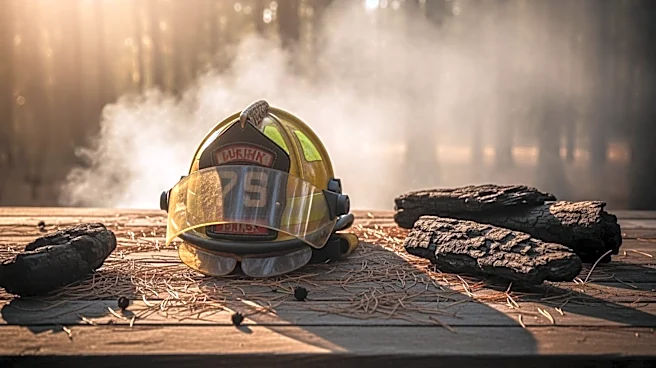
The U.S. Wildland Fire Service, a newly established agency under the Trump administration, is gearing up for what could be one of the most severe fire seasons in recent history. Brian Fennessy, the head of the service, highlighted the agency's efforts
to prepare by bringing in additional aircraft and fire crews earlier than usual. This preparation comes as part of a broader White House initiative to consolidate federal firefighting efforts. However, the agency's new policy, which prioritizes extinguishing fires over preventive measures like prescribed burns, has sparked debate. Experts like Park Williams from the University of California, Los Angeles, argue that preventive measures are crucial to avoiding catastrophic fires.
Why It's Important?
The preparation and policies of the U.S. Wildland Fire Service are critical as they directly impact the effectiveness of the nation's response to wildfires, which have been increasing in frequency and intensity. The decision to focus on suppression rather than prevention could have significant consequences for ecosystems and communities at risk of wildfires. The agency's approach will influence public safety, environmental health, and resource allocation. The debate over fire management strategies highlights the need for a balanced approach that considers both immediate and long-term impacts of wildfires.
What's Next?
As the fire season progresses, the effectiveness of the U.S. Wildland Fire Service's strategies will be closely monitored. The agency may face pressure to adjust its policies if suppression efforts prove insufficient or if preventive measures are deemed necessary. Stakeholders, including environmental groups and local governments, may advocate for a shift towards more preventive strategies. The outcomes of this fire season could influence future policy decisions and funding allocations for wildfire management.