




What's Happening?
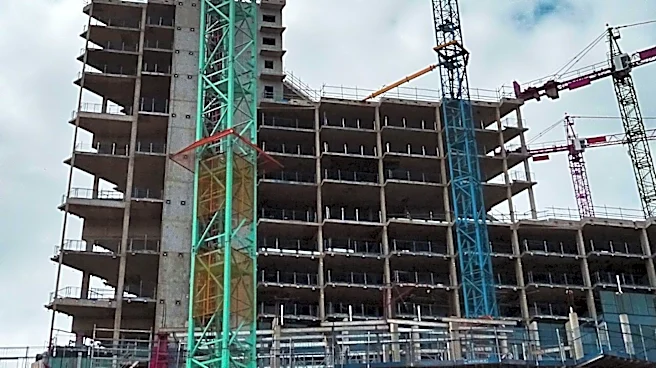
Residents in the Banyan Hills neighborhood of West Omaha, specifically near 173rd and Pacific streets, are expressing significant concerns regarding a new apartment complex under construction at 175th and Pacific. The project, which will include 30 townhouses
and 90 apartments, has led to increased traffic and environmental issues. Jose "David" Sandoval, a resident on Pierce Circle, noted that construction crews parking along the shoulder of Pacific Street are degrading the dirt and affecting water runoff. While some neighbors don't mind the parking itself, the primary concern is the overall increase in traffic and the potential for mud from the construction site to wash onto Pacific Street, making driving hazardous. The City of Omaha has plans to widen Pacific Street, with the design phase extending through 2027, final designs beginning in 2028, and construction slated for 2032. However, Sandoval also highlighted that widening the road could lead to the city acquiring parts of residents' properties, potentially decreasing property values.
Why It's Important?
This situation highlights the common challenges faced by communities experiencing rapid development and urban expansion. The concerns raised by West Omaha residents about increased traffic and environmental degradation are typical consequences of large-scale construction projects in residential areas. The potential for mudslides onto Pacific Street poses a direct safety risk to commuters, while the degradation of dirt and water runoff can have long-term ecological impacts on the local environment. Furthermore, the city's plan to widen Pacific Street, while intended to alleviate traffic, introduces a new set of concerns for homeowners regarding property acquisition and potential loss of property value. This conflict between urban development, infrastructure improvement, and community well-being underscores the complex decision-making processes involved in city planning and the need for effective communication and mitigation strategies to address resident concerns.
What's Next?
The City of Omaha is currently in the design phase for widening Pacific Street, a process expected to continue through 2027. Final designs are scheduled to commence in 2028, with construction projected to begin in 2032. This timeline suggests that residents will continue to experience the current construction-related issues for several years, followed by the disruption of road widening. Residents like Jose "David" Sandoval will likely continue to advocate for their concerns regarding traffic, environmental impact, and potential property acquisition. The city will need to navigate these community concerns while proceeding with its infrastructure plans. Potential reactions from stakeholders could include further community meetings, petitions, or engagement with local government officials to influence the design and implementation of the road widening project and to address the immediate impacts of the apartment complex construction.
Beyond the Headlines
The situation in West Omaha reflects a broader national trend where suburban areas grapple with the pressures of growth and development. The tension between increasing housing demands and preserving community character and environmental quality is a recurring theme. This case also touches upon the ethical considerations of urban planning, particularly when public infrastructure projects, like road widening, necessitate the acquisition of private property. The long-term implications could include shifts in property values, changes in neighborhood demographics, and potentially increased civic engagement from residents seeking to protect their interests. The environmental concerns, such as soil degradation and water runoff, also point to the need for more sustainable construction practices and stricter oversight to mitigate ecological impacts in rapidly developing areas.