
What's Happening?
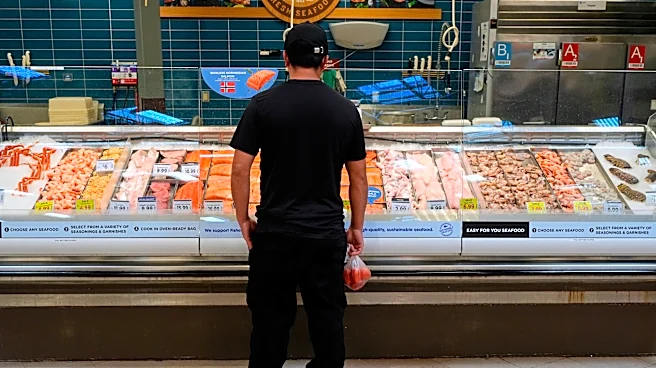
The ongoing conflict in Iran is contributing to rising grocery prices in the United States, as reported by CBS News. The conflict has led to increased fuel prices, which in turn affect the cost of transporting
goods, including food items. Additionally, tariffs and other economic factors are exacerbating the situation, leading to higher costs for consumers at the grocery store. This development is part of a broader trend of inflation affecting various sectors, with food and transportation being particularly impacted.
Why It's Important?
The increase in grocery prices due to the conflict in Iran highlights the interconnectedness of global events and domestic economic conditions. As fuel prices rise, the cost of transporting goods increases, directly impacting consumer prices. This situation underscores the vulnerability of supply chains to geopolitical tensions and the ripple effects on everyday expenses for American households. The economic strain on consumers could lead to decreased spending in other areas, potentially slowing economic growth. Policymakers and businesses may need to explore strategies to mitigate these impacts, such as diversifying supply sources or investing in alternative energy solutions.