





What's Happening?
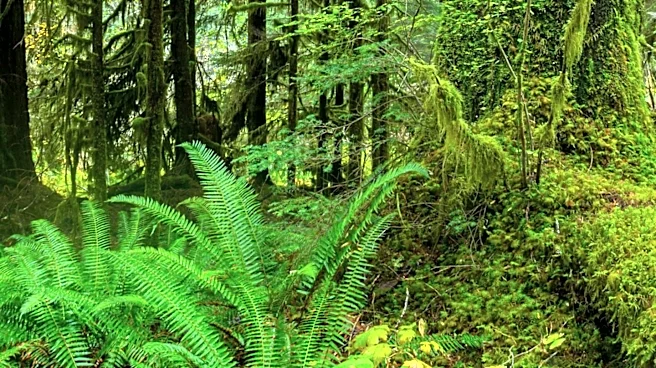
The Elwha Legacy Forests Coalition has successfully raised approximately $260,000 to purchase 13 acres of the Doc Holliday legacy forest in the Twin Rivers Watershed on the Olympic Peninsula. This initiative aims to prevent the logging of these temperate
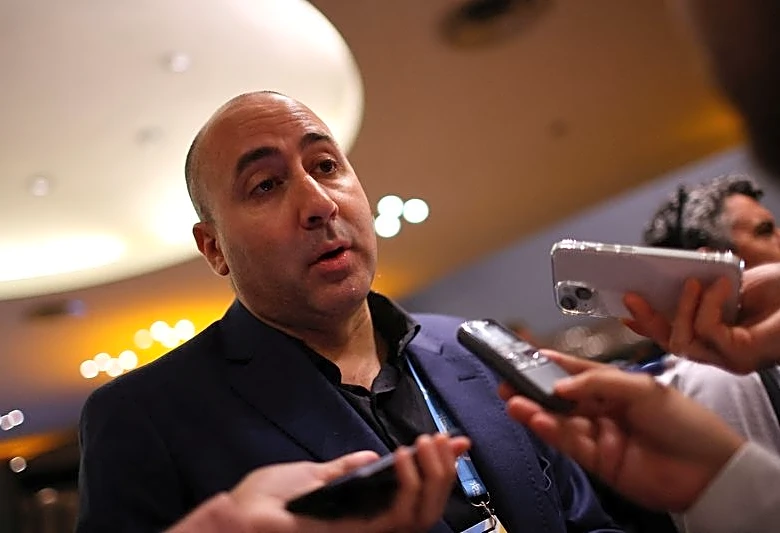
lowland rainforests, which include old-growth spruce trees over five feet in diameter. The funds were collected from community members within a three-week period, demonstrating strong local support for forest preservation. The coalition signed a contract with Webster Logging Co. to acquire the land at full market value. This purchase is part of a broader effort to buy forested land designated for timber harvest, ensuring that the logging company still profits and the state receives funds typically generated from timber sales for public services like education and libraries. Elizabeth Dunne, director of legal advocacy at the Earth Law Center, highlighted that this achievement reflects the community's recognition of the value of these forest lands and their desire for protection.
Why It's Important?
This community-led effort sets a precedent for how local groups can directly intervene to protect natural resources from commercial logging. By raising funds to purchase the land at market value, the coalition has found a way to satisfy the economic interests of logging companies and state revenue requirements while achieving conservation goals. This model could significantly impact U.S. environmental policy and land management practices, offering an alternative to traditional conservation methods that often involve lengthy legal battles or government acquisition. It empowers communities to take direct action in preserving ecologically valuable areas, potentially influencing how timber sales are negotiated and executed in other regions. The success of this initiative could inspire similar movements across the nation, fostering greater community involvement in environmental stewardship and promoting sustainable land use practices. It also highlights the increasing public demand for the preservation of old-growth forests and their associated ecological benefits.
What's Next?
The Elwha Legacy Forests Coalition is not finished with its efforts, as it has negotiated a new deadline of September 15 to raise an additional $250,000. This further funding is required to save the remaining 14 acres in the sale area of the Doc Holliday legacy forest. If successful, this would conclude the current portion of the timber sale. Elizabeth Dunne expressed hope that this model of community-funded land acquisition could be formalized and replicated, leading to direct collaborations with state agencies like the Department of Natural Resources. Such a partnership would allow community funds to be systematically used for forest land preservation, potentially creating a new framework for conservation efforts across the U.S. The outcome of the next fundraising push will determine the immediate future of the remaining forest acres and could solidify the viability of this community-driven conservation model for broader application.
Beyond the Headlines
The success of the Elwha Legacy Forests Coalition points to a deeper societal shift towards valuing ecological preservation over immediate economic exploitation of natural resources. This model challenges the conventional timber industry practices by demonstrating that communities are willing to financially invest in protecting forests, even when those lands are slated for logging. It raises ethical questions about the long-term sustainability of current land use policies and the balance between economic development and environmental conservation. The initiative also highlights the potential for innovative partnerships between grassroots organizations, private companies, and government agencies to achieve mutually beneficial outcomes. If widely adopted, this approach could lead to a re-evaluation of how public lands are managed and how timber resources are allocated, potentially fostering a more collaborative and environmentally conscious approach to land stewardship across the United States.