







What's Happening?
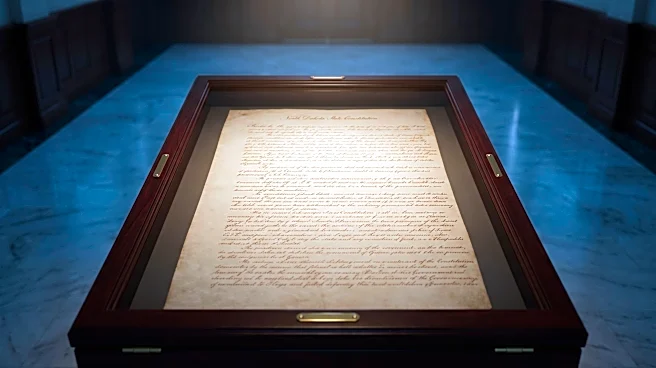
The North Dakota State Archives is observing Archives Month throughout October by highlighting the original North Dakota State Constitution. This document, which was signed on August 17, 1889, and ratified on October 1, 1889, is a central piece of the state's
history. The constitution's creation followed the Enabling Act of 1889, which allowed the Dakota Territory to split into North and South Dakota. Delegates from North Dakota worked for approximately a month and a half to draft the foundational document, debating key issues such as statewide prohibition, voting rights, and the placement of public institutions. The Bismarck Tribune reported on the convention's progress, noting the debates and the anticipation surrounding its conclusion. The original handwritten constitution has been digitized and is available for online viewing, offering public access to this historical record. North Dakota officially became the 39th state to enter the Union on November 2, 1889, alongside South Dakota, Montana, and Washington.
Why It's Important?
The celebration of Archives Month and the display of the North Dakota State Constitution underscore the importance of preserving historical documents and making them accessible to the public. These efforts by the North Dakota State Archives contribute to a deeper understanding of the state's origins, its legislative processes, and the foundational principles upon which it was built. For U.S. citizens, particularly those in North Dakota, this initiative provides a tangible link to the past, illustrating the democratic process and the evolution of state governance. The digitization of the constitution ensures that future generations can study and appreciate the efforts of the 75 men who drafted the document. This historical preservation also serves as a reminder of the broader U.S. expansion and statehood processes in the late 19th century, offering insights into how new states were formed and integrated into the Union, and the debates that shaped their early laws and institutions.
What's Next?
As Archives Month continues, the North Dakota State Archives will likely continue to promote access to its collections and educational programs related to the state's history. The ongoing availability of the digitized North Dakota State Constitution online ensures that it remains a resource for researchers, students, and the general public. Future initiatives may include further digitization projects, educational outreach programs, and collaborations with other historical institutions to enhance public engagement with North Dakota's heritage. The focus on historical documents during Archives Month often leads to increased public interest and potentially greater support for archival preservation efforts, ensuring that valuable records are maintained for future study and appreciation. The State Archives will continue its role in assessing, collecting, organizing, preserving, and providing access to information of lasting value.
Beyond the Headlines
The act of preserving and showcasing state constitutions, such as North Dakota's, extends beyond mere historical record-keeping; it reinforces the principles of democratic governance and the rule of law. These documents are not just relics of the past but living testaments to the ongoing dialogue about rights, responsibilities, and the structure of government. The debates over issues like prohibition and voting rights during the constitution's drafting reflect enduring societal concerns that continue to shape contemporary policy and public discourse. By making these historical documents accessible, archives foster civic education and encourage critical thinking about the evolution of legal and social frameworks. The story of North Dakota's statehood, including the unique detail of President Benjamin Harrison mixing up the admission papers, adds a human element to the historical narrative, reminding us that even foundational moments are subject to human actions and decisions. This initiative highlights the ethical imperative of historical accuracy and the cultural value of understanding our collective past.