




What's Happening?
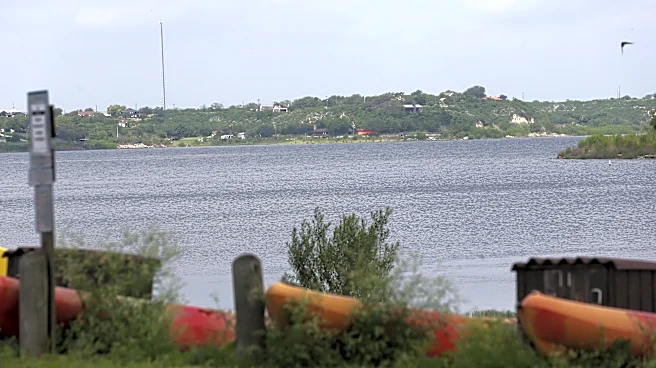
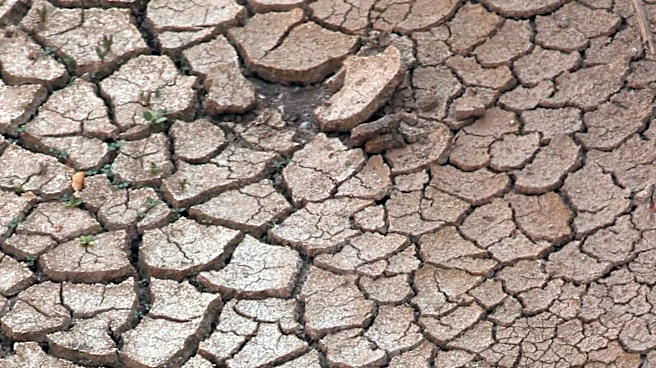
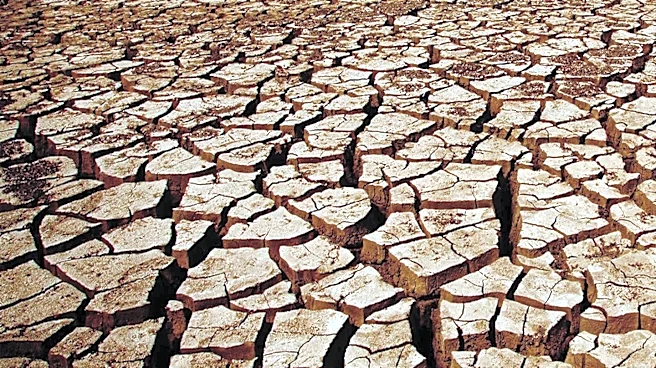
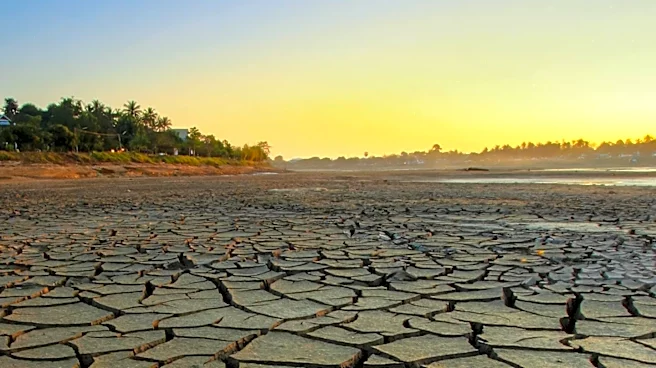
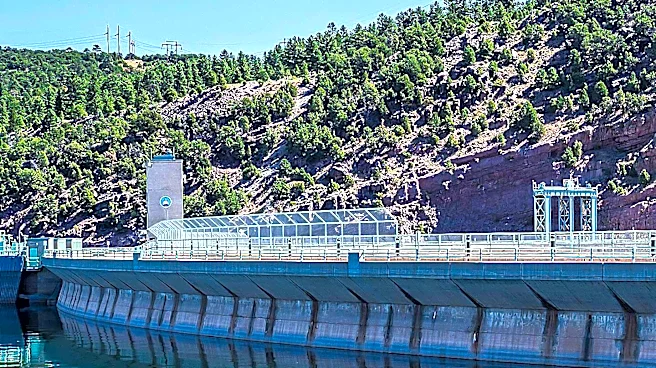
The Bureau of Reclamation, in coordination with Rapid City officials, is reducing water releases from Pactola Reservoir by half, from 30 cubic feet per second (cfs) to 15 cfs, starting October 1. This decision is a direct response to a dry summer, lower-than-expected
inflows into the reservoir, and an unfavorable winter precipitation forecast. Normally, inflows at this time of year would be around 40 cfs, but they are currently at 23 cfs. Pactola Reservoir is presently at 70% capacity, while Deerfield Reservoir is at 90%. The timing of this reduction is set to coincide with the end of the irrigation season and was specifically chosen to minimize disruption to brown trout spawning, following concerns raised by the Black Hills Fly Fishers. Rapid City's alert conservation status remains in effect.
Why It's Important?
This reduction in water releases is critical for managing water resources in the Rapid City area, particularly given ongoing drought conditions and an unpromising winter precipitation outlook. Conserving water in Pactola Reservoir, which is a primary source for municipal needs, is essential for ensuring adequate supply through the fall, winter, and early spring. The collaborative decision-making between the Bureau of Reclamation and Rapid City, alongside coordination with South Dakota Game, Fish and Parks, highlights a proactive approach to environmental and public resource management. The measure aims to save approximately 2 billion gallons of water, demonstrating the significant impact of such conservation efforts on regional water security. The city's ability to access the Madison Aquifer well field provides a crucial backup, underscoring the importance of diversified water sources in drought-prone regions.
What's Next?
Rapid City officials plan to reassess flow levels throughout the winter months and will conduct a more thorough review ahead of next year's irrigation season. The continued alert conservation status indicates that residents and businesses may need to maintain water-saving practices. The effectiveness of this reduced flow in mitigating drought impacts will depend heavily on actual winter precipitation and subsequent spring runoff. If the forecast for low precipitation holds true, further conservation measures or alternative water management strategies might be considered in the future. The ongoing monitoring will inform decisions regarding water availability and usage for the coming year, potentially influencing agricultural practices and municipal water policies.
Beyond the Headlines
The situation in Rapid City reflects a broader national challenge concerning water scarcity and the increasing frequency of drought conditions, likely exacerbated by climate change. The careful balancing act between human water needs, agricultural demands, and ecological preservation, particularly for fish populations, illustrates the complex interdependencies in natural resource management. This event could serve as a case study for other communities facing similar environmental pressures, emphasizing the need for long-term water conservation strategies, infrastructure investment, and inter-agency cooperation. The community's response to conservation alerts and the potential for future water restrictions could also foster greater public awareness and engagement in sustainable water practices, shifting societal norms towards more responsible resource consumption.