



What's Happening?
Texas Governor Greg Abbott has paused all state funding for local grants used to purchase Flock surveillance cameras. This decision comes after a Texas Tribune analysis revealed that a $1 increase in car insurance policies, initially intended to combat
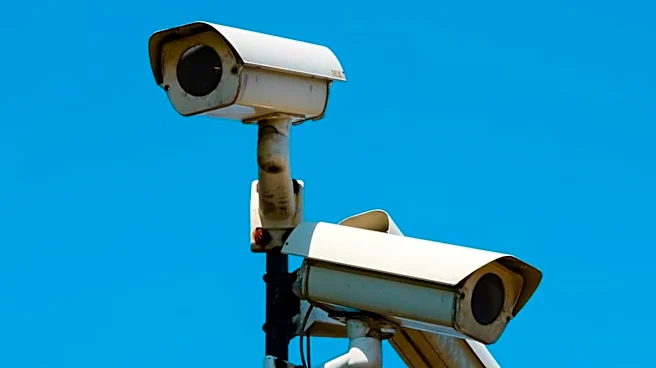
catalytic converter theft, has funneled at least $30 million into expanding the state's Flock camera network. The Motor Vehicle Crime Prevention Authority, largely appointed by Governor Abbott, has used these funds to install over 3,200 Flock cameras across Texas. Lawmakers who voted for the original bill, which passed unanimously in 2023, expressed surprise and concern, stating that surveillance cameras were never discussed as a use for the increased fee. State Senator Carol Alvarado, who sponsored the bill, indicated that her intention was to fund more officers and undercover work, not AI-supported license plate readers. The move to halt funding reflects growing backlash and privacy concerns regarding the widespread deployment of these surveillance devices.
Why It's Important?
This development highlights a significant tension between public safety initiatives and individual privacy rights in Texas. The use of a seemingly minor insurance fee increase to fund a vast surveillance network without explicit legislative intent raises questions about transparency and accountability in government spending. The proliferation of Flock cameras, which create a 'vehicle fingerprint' and store detailed vehicle information accessible by law enforcement nationwide, has sparked concerns among civil liberties advocates and some lawmakers about potential Fourth Amendment violations. The governor's decision to pause funding, while a direct response to these concerns, also underscores the rapid expansion of surveillance technology and the challenges in regulating its use. This situation could set a precedent for how states approach funding and oversight of advanced surveillance systems, potentially influencing future legislative debates on privacy and technology.
What's Next?
Following Governor Abbott's directive, Texas agencies will clarify that state funds cannot be used for Flock cameras, although federal grants may still be utilized for such purposes. Lawmakers, including Representative Mitch Little and Representative Brian Harrison, plan to introduce bills in the next legislative session to ban these devices, citing Fourth Amendment concerns and the potential for misuse of personal data. The ongoing debate will likely involve discussions on the balance between combating crime and protecting privacy, with various stakeholders, including law enforcement, civil liberties groups, and the public, weighing in. The effectiveness of the pause in state funding will depend on the extent to which federal grants continue to support the expansion of Flock cameras and whether new legislation is successfully passed to restrict their use.
Beyond the Headlines
The controversy surrounding Flock cameras in Texas extends beyond immediate funding and legislative actions, touching upon deeper societal implications of mass surveillance. The ability of these cameras to track individuals' movements and compile extensive data raises ethical questions about the nature of privacy in a technologically advanced society. The potential for misuse, as evidenced by instances of officers using Flock data to stalk individuals, highlights the need for robust oversight and accountability mechanisms. This situation also reflects a broader trend where private companies develop powerful surveillance technologies that are then adopted by government agencies, often with limited public discourse or legislative scrutiny. The debate in Texas could serve as a microcosm for national discussions on how to govern the deployment of AI-powered surveillance tools, ensuring they serve public safety without eroding fundamental civil liberties and fostering a sense of constant observation.