



What's Happening?
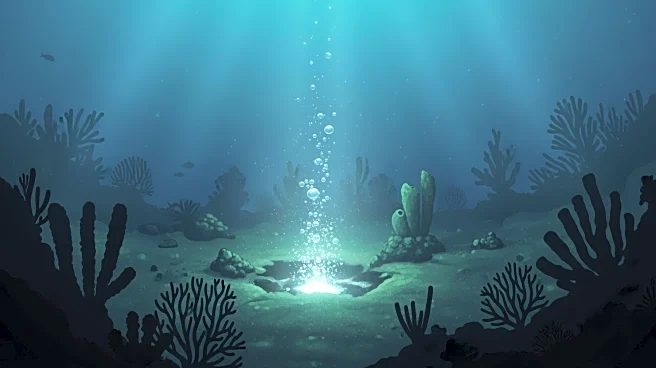
Researchers from UiT The Arctic University of Norway have discovered the world's deepest gas hydrate cold seep off the coast of Greenland. This discovery, made during the Ocean Census Arctic Deep EXTREME24 expedition, revealed a biologically rich ecosystem
thriving around the Freya gas hydrate mounds. These mounds, located over 3,640 meters below the ocean surface, are teeming with life that feeds on chemosynthetic microbes. The seep emits methane and other hydrocarbons, providing a unique habitat for various marine species. The findings suggest that these deep-sea ecosystems are crucial for biodiversity and carbon cycling, and they may need protection from potential deep-sea mining activities.
Why It's Important?
The discovery of the Freya gas hydrate mounds is significant as it sheds light on the complex ecosystems that exist in the deep ocean. These ecosystems play a vital role in global biodiversity and carbon cycling. The presence of such habitats raises concerns about the impact of deep-sea mining, which targets polymetallic nodules containing rare earth minerals. Disruption of these ecosystems could have unforeseen consequences on marine life and the planet's already destabilized climate. Protecting these habitats is crucial for maintaining biodiversity and understanding the role of gas hydrates in climate processes.
What's Next?
The discovery calls for increased attention to the potential impacts of deep-sea mining in the Arctic region. Researchers emphasize the need for protective measures to safeguard these unique ecosystems. Future studies may focus on exploring other deep-sea habitats and assessing their ecological significance. Policymakers and environmental groups might advocate for regulations to prevent mining activities that could harm these fragile environments. The findings could also influence global discussions on marine conservation and the sustainable use of ocean resources.
Beyond the Headlines
The discovery of the Freya mounds highlights the interconnectedness of deep-sea ecosystems and their role in global environmental processes. It underscores the importance of understanding and preserving these habitats in the face of industrial interests. The research also contributes to the broader knowledge of how deep-sea ecosystems function and their potential impact on climate change. As the world grapples with environmental challenges, such discoveries emphasize the need for a balanced approach to resource extraction and conservation.