








What's Happening?
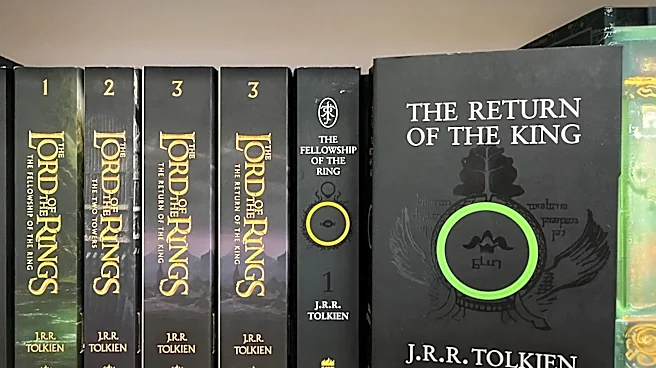
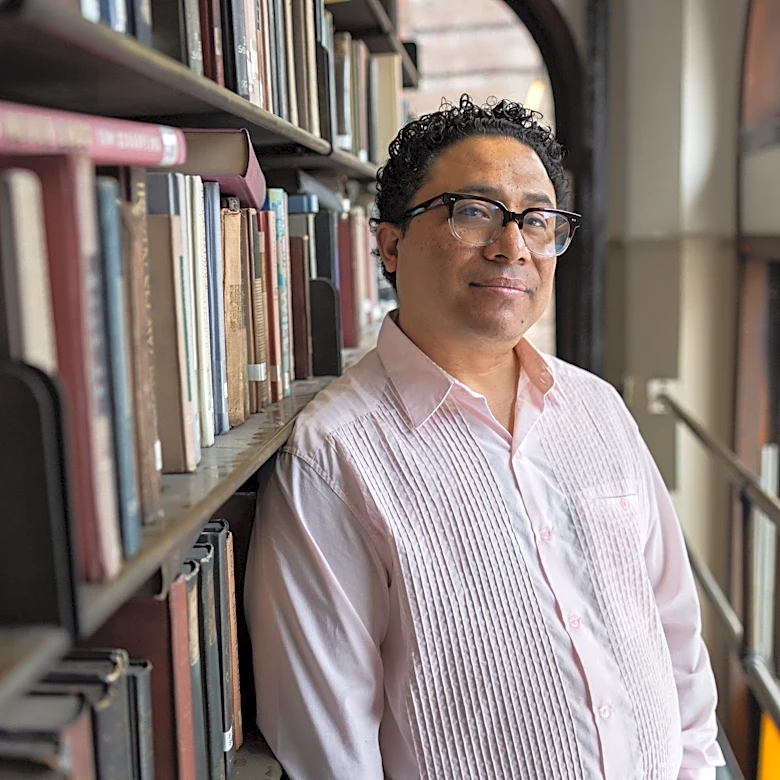
Luke Shelton, a Rochester scholar and editor-in-chief for the peer-reviewed journal of the Tolkien Society, 'Mallorn,' has conducted doctoral research on how young readers aged 8-18 perceive J.R.R. Tolkien's 'The Lord of the Rings.' Shelton's study aimed
to understand interpretations that might differ from established Tolkien scholarship, noting a gap in academic literature regarding young readers' perspectives. He found that less than half of his study participants classified 'The Lord of the Rings' as 'fantasy,' often choosing alternative terms to describe the story. Shelton, who earned his doctorate from The University of Glasgow's Centre for Fantasy and the Fantastic, emphasizes that his personal engagement with Tolkien's works has been lifelong, finding new insights with each reread. He continues to bridge the gap between academic and fan communities through initiatives like the Tolkien Experience Project and Podcast, and is co-editing the 'Oxford Handbook of J.R.R. Tolkien,' expected to be a foundational text for future scholarship.
Why It's Important?
This research is significant for understanding the evolving reception and interpretation of classic literature, particularly among younger generations. By focusing on young readers, Shelton's work challenges conventional academic views and highlights how new audiences engage with complex narratives, potentially redefining genre classifications. This has implications for educators, publishers, and creators of adaptations, as it provides insights into how to make classic works more accessible and relevant to diverse audiences. The finding that many young readers don't categorize 'The Lord of the Rings' strictly as 'fantasy' suggests a broader understanding of storytelling that transcends traditional genre boundaries, reflecting a more fluid and personal engagement with literature. It underscores the importance of considering varied perspectives to keep literary studies dynamic and inclusive.
What's Next?
Shelton is currently co-editing the 'Oxford Handbook of J.R.R. Tolkien' with Dimitra Fimi, which will feature contributions from over 30 scholars and is anticipated to be published next year. This handbook is intended to be a foundational resource for Tolkien scholarship, primarily for libraries. His ongoing work with the Tolkien Experience Project and Podcast will continue to gather and share diverse reader experiences, further bridging the academic and fan worlds. Shelton's commitment to exploring new interpretations and fostering dialogue around Tolkien's works suggests a continued effort to keep the study of Middle-earth vibrant and relevant. These initiatives will likely contribute to a more nuanced understanding of Tolkien's legacy and its impact on readers of all ages.
Beyond the Headlines
Shelton's research delves into the deeper implications of how stories shape our understanding of the world. By observing that young readers often don't confine 'The Lord of the Rings' to a single genre, he touches upon the idea that literature, especially works of profound depth, can serve as a medium for confronting universal human experiences like morality, justice, despair, and courage. Tolkien himself believed that the theme of death was central to 'The Lord of the Rings,' suggesting that fantasy is not merely escapist but a means to engage with difficult ideas in a new context. This perspective highlights the ethical and cultural dimensions of storytelling, demonstrating how narratives can provide a safe space for contemplation, allowing readers to return to their daily lives with renewed understanding of themselves and their world. It underscores the enduring power of literature to foster empathy and critical thinking across generations.