







What's Happening?
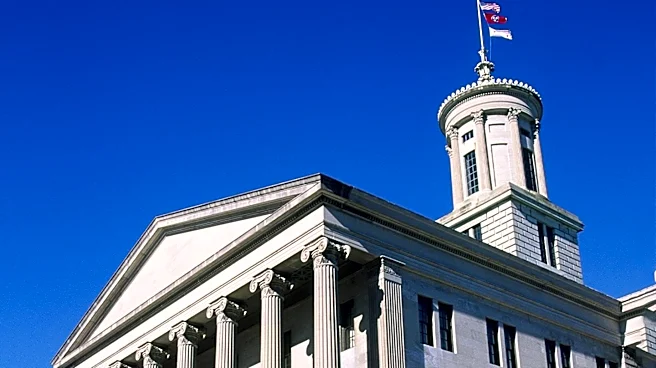
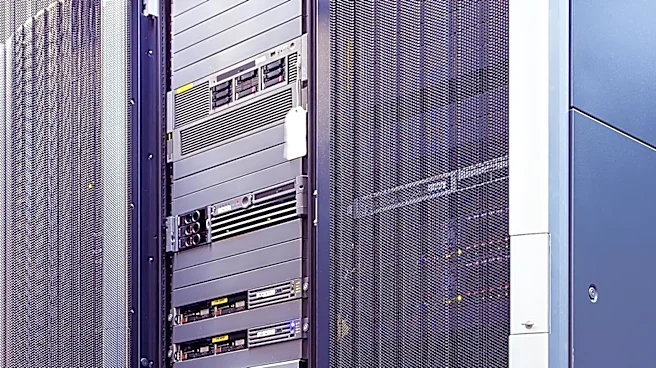
A proposed data center by DC BLOX near the Nashville Zoo is facing potential delays due to new zoning legislation. The Metro Planning Commission has advanced two bills aimed at regulating data centers, which will be subject to a public hearing and a second
vote by the Metro Council on July 7. The proposed facility, planned to exceed 202,000 square feet and include an electrical substation, has raised concerns among local residents and the Nashville Zoo about its impact on the local power grid, water usage, and noise levels. DC BLOX claims to have the necessary permits and intends to proceed with construction, but opponents, including Nashville Mayor Freddie O'Connell, argue that the permits are not yet approved. The proposed legislation seeks to ban large data centers in Davidson County and impose restrictions on their proximity to sensitive areas like schools and zoos.
Why It's Important?
The development of the data center has significant implications for the local community and environment. The facility's potential to use up to 50 megawatts of power could strain the already fragile local power grid, which has experienced frequent outages. This could affect not only the zoo but also local residents and businesses. Additionally, concerns about water usage and noise pollution could impact the zoo's operations and the well-being of its animals. The proposed zoning legislation reflects broader concerns about the environmental and infrastructural impacts of large data centers, which are becoming increasingly common as demand for digital infrastructure grows. The outcome of this dispute could set a precedent for how such developments are managed in urban areas.
What's Next?
The Metro Council will hold a public hearing and vote on the proposed zoning bills on July 7, with a final vote expected later in the month. If passed, the legislation could halt the issuance of new data center permits until regulations are established. DC BLOX has indicated its intention to proceed with the project, potentially leading to legal challenges. The Nashville Zoo and local community groups are likely to continue advocating against the development, emphasizing the need for sustainable infrastructure solutions. The outcome of this situation could influence future data center projects and regulatory approaches in other regions.
Beyond the Headlines
The controversy highlights the tension between technological advancement and environmental stewardship. As data centers become integral to digital infrastructure, their environmental footprint, including energy and water consumption, becomes a critical issue. The Nashville case underscores the need for sustainable practices in the tech industry, such as using renewable energy sources and innovative cooling systems. It also raises questions about the balance between economic development and community well-being, particularly in urban areas where space and resources are limited. The resolution of this dispute could influence future policies on data center development and environmental regulations.