


What's Happening?
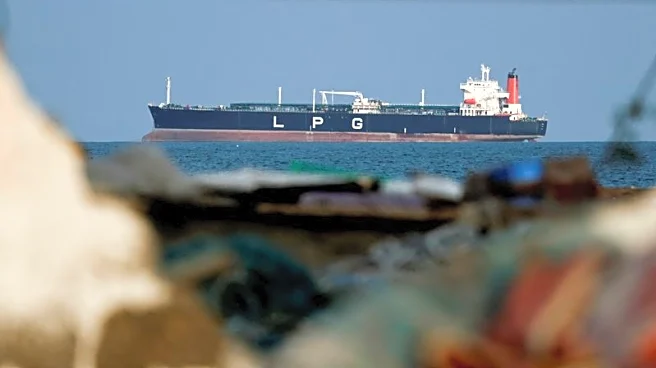
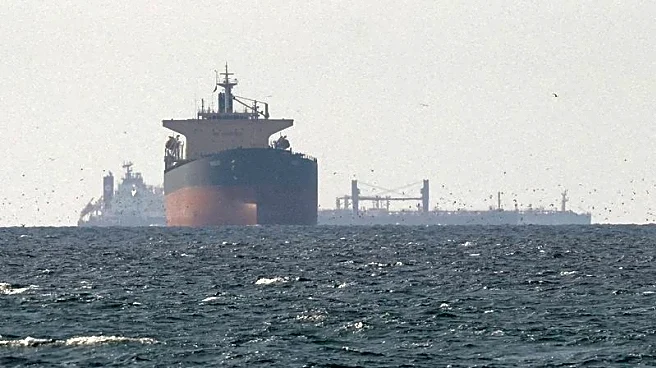
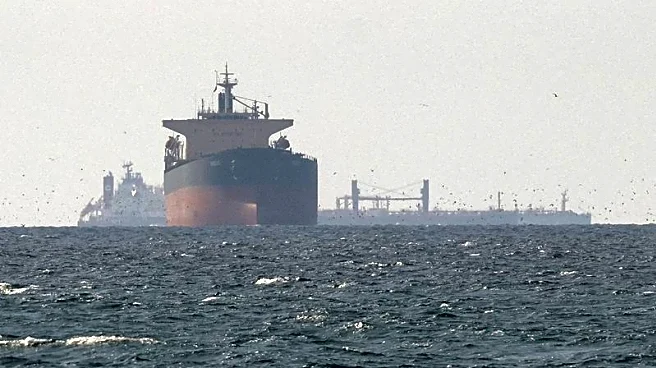
President Trump has called on several countries to assist in securing the Strait of Hormuz amid ongoing tensions with Iran. The strait, a critical passage for global oil supply, has been effectively closed by Iran, leading to significant disruptions.
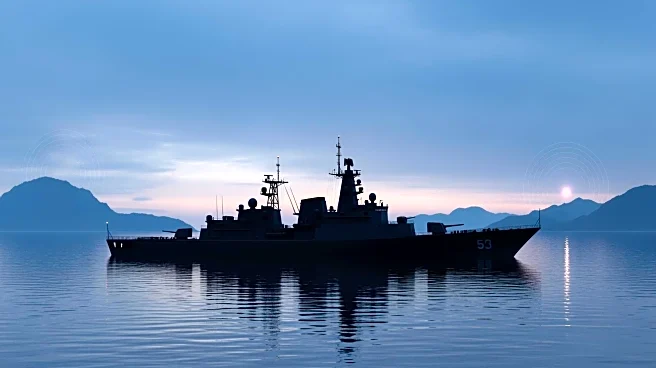
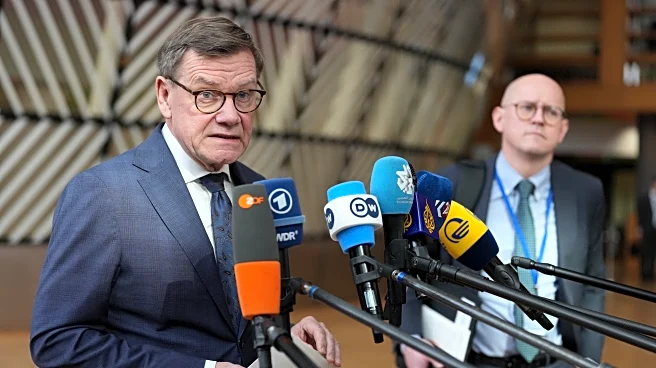
Despite Trump's appeals, countries like Germany, France, and the UK have declined to send naval forces, emphasizing diplomatic solutions over military involvement. Japan and Australia have also opted out, while South Korea is reviewing the situation. The U.S. is considering naval escorts, but experts warn of potential risks due to Iran's advanced military capabilities.
Why It's Important?
The closure of the Strait of Hormuz has significant implications for global oil markets, potentially leading to increased energy prices and economic instability. The reluctance of European nations to participate in military actions highlights a shift towards diplomatic resolutions and a cautious approach to U.S. foreign policy under President Trump. This situation underscores the complexities of international alliances and the challenges of coordinating a unified response to geopolitical crises. The outcome of this standoff could influence future international relations and energy security strategies.
What's Next?
As the situation develops, diplomatic efforts are likely to intensify, with countries seeking to de-escalate tensions and reopen the strait through negotiations. The U.S. may continue to pressure allies for support, but the focus may shift towards finding a diplomatic resolution. The international community will be closely monitoring Iran's actions and the U.S.'s next steps, as any escalation could have far-reaching consequences. The potential for increased military presence in the region remains, but diplomatic channels are expected to be prioritized.