



What's Happening?
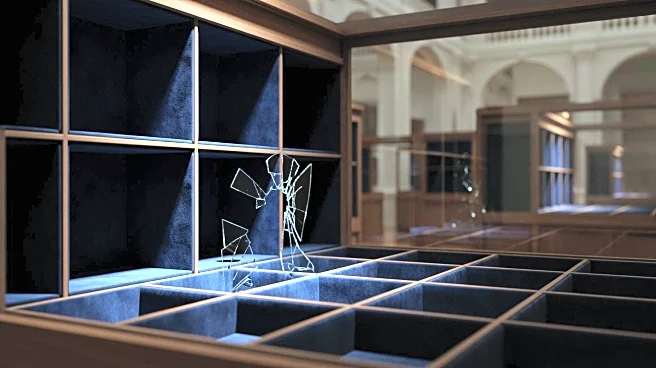
A significant theft has occurred at the Bristol Museum in the UK, where more than 600 artifacts from the 'British Empire and Commonwealth Collection' were stolen in an overnight break-in. The incident took place on September 25, and police have released
CCTV images of four suspects involved in the burglary. The footage shows the men, described as wearing caps and hoodies, carrying bags outside a building on Cumberland Road between 1 am and 2 am. The stolen items are part of a collection that documents Britain's historical ties with its former colonies, including objects from Pacific islands and African nations. These artifacts, many of which were donations, provide insight into a complex and controversial period of history. The collection was previously housed at the British Empire & Commonwealth Museum until its closure in 2012, after which it was managed by the Bristol City Council and other local institutions.
Why It's Important?
The theft of these artifacts is significant as it represents a loss of cultural and historical heritage, not only for the UK but also for the countries represented in the collection. The stolen items are crucial for understanding the historical context of Britain's imperial past and its impact on former colonies. This incident adds to a series of recent museum thefts across Europe, highlighting vulnerabilities in the security of cultural institutions. The loss of these artifacts could hinder educational and research opportunities, affecting historians, researchers, and the general public interested in this period of history. Additionally, the theft raises questions about the security measures in place at museums and the challenges they face in protecting valuable collections.
What's Next?
The police in Bristol are actively seeking information from the public to identify the suspects and recover the stolen artifacts. They have urged anyone who recognizes the individuals in the CCTV images or has information about the artifacts' whereabouts to come forward. The investigation may lead to increased security measures at museums to prevent similar incidents in the future. The cultural and historical communities will likely advocate for better protection of such collections, emphasizing the importance of preserving historical artifacts for future generations. The outcome of this investigation could influence policies and practices regarding the security of cultural heritage sites.