




What's Happening?
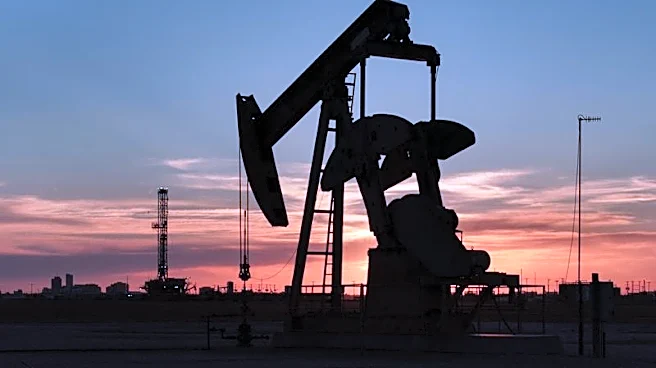
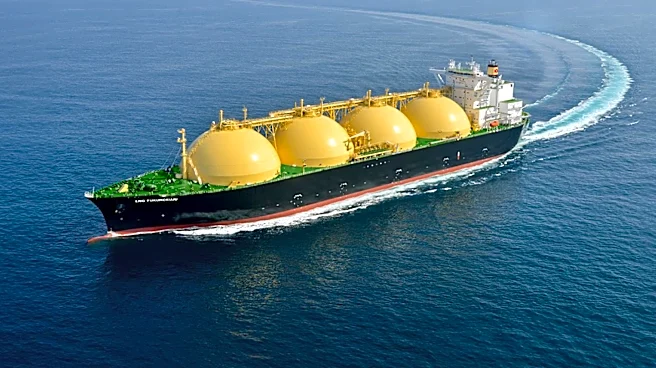
The Trump administration has extended a waiver of the Jones Act for another 90 days to maintain oil flow in the U.S. amid the ongoing conflict with Iran. This waiver, which reduces shipping restrictions, is intended to mitigate disruptions in global oil markets
caused by the war. The extension comes as the U.S. faces rising oil prices and declining petroleum reserves, with the waiver now narrowed to specific energy resources. The decision aligns with efforts to stabilize the energy supply ahead of the upcoming midterm elections, as economic pressures mount on American consumers.
Why It's Important?
The extension of the Jones Act waiver is a strategic move to address the economic impact of the Iran conflict on U.S. energy markets. By easing shipping restrictions, the administration aims to prevent further price volatility and ensure a steady supply of oil, which is crucial for economic stability. This decision reflects the broader geopolitical challenges and their domestic economic implications, highlighting the interconnectedness of international conflicts and U.S. energy policy. The move also underscores the administration's focus on energy security as a key issue in the lead-up to the midterm elections.
What's Next?
The waiver's extension will be closely monitored by industry stakeholders and policymakers, as its impact on oil prices and supply chains will be critical in the coming months. The administration may face pressure to further adjust energy policies depending on the conflict's progression and its effects on global markets. Additionally, the outcome of the midterm elections could influence future energy strategies and regulatory approaches, particularly if there is a shift in congressional power.