
What's Happening?
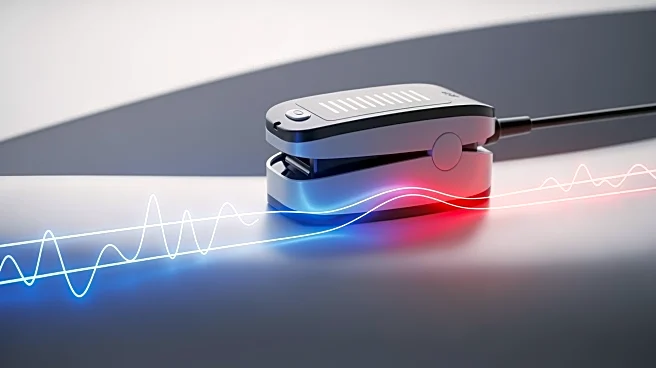
A recent study has investigated the effects of posture on photoplethysmography (PPG) signals from the posterior tibial artery in adults with and without type 2 diabetes. The research highlights how posture changes
can affect blood flow dynamics, particularly in individuals with diabetes who are at risk of peripheral arterial disease and diabetic neuropathy. The study utilized PPG, a non-invasive method to assess blood flow, revealing significant differences in vascular responses between healthy individuals and those with diabetes during postural transitions.
Why It's Important?
This study underscores the importance of understanding vascular dynamics in diabetic patients, who are prone to complications like diabetic foot syndrome. By identifying how posture affects blood flow, healthcare providers can better assess and manage the risk of foot ulcers and amputations in diabetic patients. The findings also suggest that PPG could be a valuable tool for early detection and intervention, potentially reducing the global burden of diabetes-related complications. This research contributes to the broader effort to improve diabetic care and patient outcomes.
Beyond the Headlines
The study's findings may lead to new guidelines for monitoring and managing diabetes-related vascular issues. By incorporating PPG into routine assessments, clinicians could gain deeper insights into a patient's vascular health, allowing for more personalized treatment plans. Additionally, the research highlights the need for further exploration of non-invasive diagnostic tools in managing chronic conditions, which could revolutionize patient care by providing more accessible and less intrusive monitoring options.