





What's Happening?
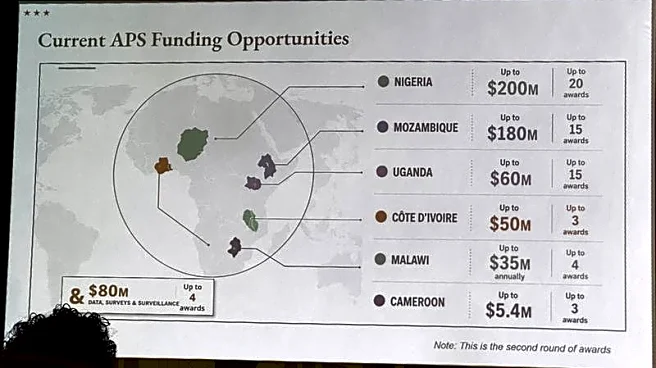
At the AIDS 2026 conference in Rio de Janeiro, the US State Department presented a map that inaccurately labeled African countries, leading to widespread criticism. The map, which was created using OpenAI tools, misplaced countries such as Nigeria and
Mozambique. The State Department admitted the error, attributing it to a hasty edit by a team member. Despite the map's inaccuracies, the department emphasized its commitment to fighting AIDS and maintaining productive discussions with African partners.
Why It's Important?
The incident highlights the critical importance of accuracy in international presentations, especially when dealing with sensitive topics like health agreements. Mislabeling countries can damage diplomatic relations and undermine the credibility of the presenting organization. This event underscores the potential risks of relying on AI-generated content without proper verification. It also reflects broader challenges in maintaining cultural sensitivity and accuracy in international diplomacy, which are essential for fostering trust and cooperation with global partners.
What's Next?
The US State Department is likely to implement stricter verification processes for presentation materials to prevent similar incidents. OpenAI's investigation into the map's creation may lead to improvements in their AI tools. The incident may also prompt discussions on the role of AI in government and the importance of human oversight. The State Department will need to engage with African partners to address any diplomatic concerns and reinforce its commitment to collaborative health initiatives.